
Neomarketing in the Age of AI: What Brands Can Actually Automate
Neomarketing is the shift from manual campaigns to AI-assisted marketing systems. Here’s what brands can automate, where AI creates real value, and why human judgment still decides what works.
TL;DR: Key insights
- Neomarketing is not AI-generated content. It is the shift from manual campaign execution to AI-assisted marketing systems.
- The real value is speed of iteration. AI compresses the loop between insight, creative, distribution, performance data, and the next version.
- The strongest use case is content production. AI already helps brands produce product visuals, short videos, localized assets, ecommerce images, and ad variants faster and cheaper.
- AI video will reshape performance marketing first. Product demos, paid social ads, Reels, Shorts, and TikTok-style assets are easier to scale than premium brand storytelling.
- Personalization is more valuable than volume. The best AI marketing systems increase relevance through hyperlocal creative, lifecycle messaging, product recommendations, and next-best-action logic.
- Paid media is becoming more automated. Platforms like Google, Meta, Amazon, and TikTok are pushing toward AI-led bidding, targeting, creative generation, and optimization.
- Synthetic UGC, avatars, and virtual influencers are conditional. They can work for localization, demos, and stylized campaigns, but become risky when brands use them to fake authenticity.
- GEO is becoming part of the marketing stack. Brands now need content that AI search engines can understand, cite, summarize, and recommend.
- Fully autonomous marketing is still mostly hype. AI can automate production and optimization, but not positioning, taste, trust, legal review, cultural judgment, or strategic interpretation.
- The advantage shifts from output to judgment. When every brand can produce infinite content, the winners will have clearer positioning, better data, stronger distribution, sharper creative direction, and more human taste.
AI is changing marketing less like a new tool and more like a new operating model.
For years, digital marketing had three obvious bottlenecks: content production, audience targeting, and campaign optimization. Creative took time. Localization took time. Testing took time. Learning what worked took time. Then the team had to start again.
AI is now compressing that loop.
Brands can generate product videos from one image, create thousands of localized ad variants, personalize customer journeys, monitor social signals, run AI-assisted paid campaigns, and use AI agents for customer interaction. Some of this is already commercially useful. Some of it is still vendor pitchware. Some of it will produce a flood of garbage content that nobody asked for.
That is why “AI marketing” is too vague. A better term is neomarketing.
What is neomarketing?
Neomarketing is an AI-native marketing approach where content production, creative adaptation, personalization, distribution, analytics, and parts of customer interaction are automated or semi-automated — while humans remain responsible for positioning, brand voice, trust, ethics, legal review, and final judgment.
The important word is system.
Neomarketing is not a marketer asking ChatGPT for ten post ideas. It is a marketing system where AI helps generate, localize, test, distribute, analyze, and improve marketing assets faster than a manual team could.
A neomarketing stack can include AI content supply chains, short-form video factories, synthetic UGC, avatar-led ads, dynamic creative optimization, AI-powered paid media, personalized customer journeys, conversational commerce, social listening, KOL discovery, virtual influencers, GEO, AI search visibility, and automated performance loops.
That sounds broad because the change is broad.
AI is entering the full marketing workflow, not only the writing layer.
Adobe’s 2026 AI and Digital Trends report describes a market where generative and agentic AI are reshaping customer experience, but adoption is uneven.
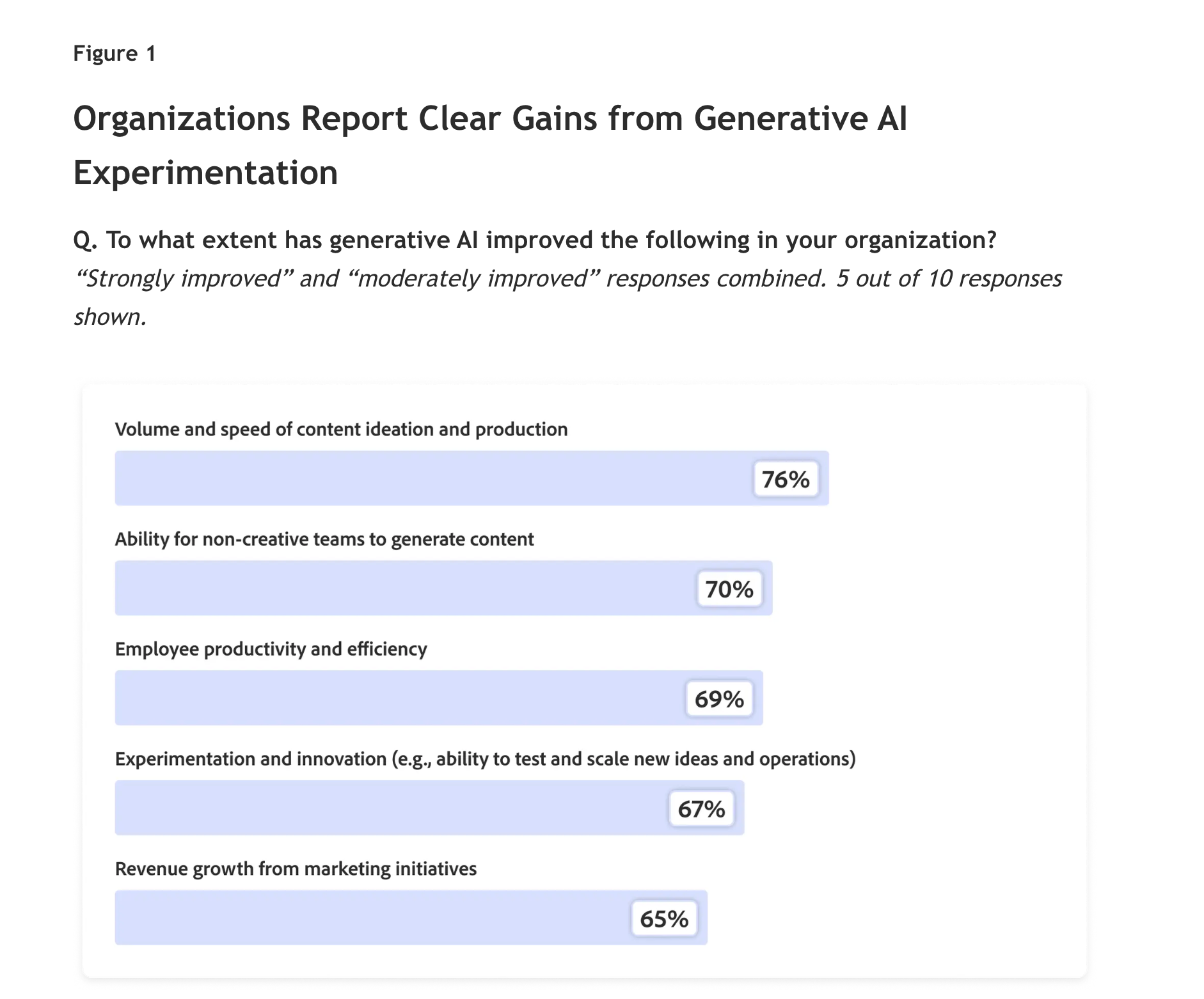
Adobe reports that organizations are seeing improvements in content volume, productivity, personalization, and marketing-driven revenue, while organization-wide integration remains limited.
HubSpot’s 2026 State of Marketing report points in the same direction: 80% of marketers use AI for content creation and 75% use it for media production.
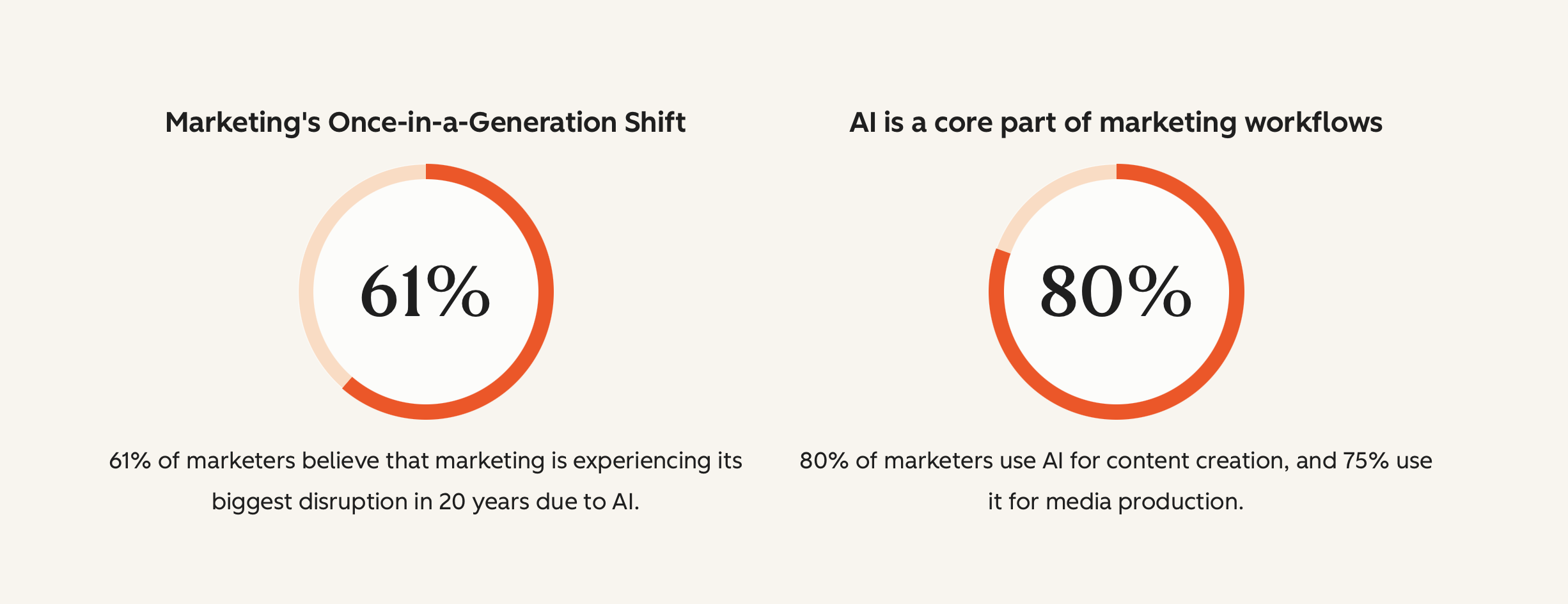
The market is moving fast, but the evidence still points to assisted marketing, not fully autonomous marketing.
The real shift: from campaigns to AI-assisted loops
The old marketing model was campaign-based.
A team built a campaign, produced creative, launched it, waited for results, analyzed performance, and used those learnings in the next campaign. The process worked, but it was slow. The cost of each test limited how much a team could learn.
The AI-native model looks different.
The brand defines the positioning, audience, message hierarchy, creative rules, and business goal. AI then helps generate variations, adapt them for channels, localize them, test them, measure performance, and feed learnings back into the next iteration.
The advantage is not only cheaper content. The advantage is a faster learning loop.
- Insight becomes creative faster.
- Creative becomes distribution faster.
- Performance data becomes the next version faster.
This matters because marketing teams are no longer competing only on production capacity. Once every brand can create more content, volume stops being the edge. The edge moves to taste, data, distribution, trust, and judgment.
AI content supply chains are the most proven use case
The clearest commercial use case for neomarketing is content production.
AI content supply chains help brands generate and adapt product visuals, ecommerce images, short videos, social assets, ad variants, localization, background images, copy variations, and format-specific assets.
A practical workflow usually looks like this:
- The brand starts with product truth, audience segments, visual guidelines, messaging rules, compliance rules, and campaign goals.
- AI tools generate variants for different platforms, geographies, formats, and audiences.
- Humans review the outputs for quality, brand fit, legal risk, and cultural accuracy.
That distinction matters. AI can produce many assets. It does not know which assets should exist.
Mondelez is one of the strongest enterprise examples.
Reuters reported that the maker of Oreo, Cadbury, Chips Ahoy, and Milka is using a generative AI tool developed with Accenture and Publicis to cut marketing content production costs by 30–50%. The company reportedly invested more than $40 million and was using AI for digital content, social promotions, personalized Milka visuals in Germany, and planned Oreo ecommerce product pages.
LPP, the Polish fashion retailer behind Sinsay, Reserved, Cropp, House, and Mohito, is another useful case. Reuters reported in May 2026 that LPP uses AI to predict trends through social media analysis, now generates 80% of its marketing visuals with AI, and says the shift cut content production costs by 60%.
The practical read is simple: AI content supply chains have high real potential. They reduce production cost and increase the number of creative tests a brand can run. But they work best when AI is treated as a production layer, not the source of strategy.
AI video factories will change performance marketing first
Short-form video is one of the most visible parts of neomarketing because it solves a real bottleneck.
Brands need more video than traditional production can comfortably supply. Reels, Shorts, TikTok, paid social, ecommerce ads, product demos, app explainers, creator-style edits, localized variants — the demand is constant.
AI video tools can now generate scripts, product videos, voiceovers, subtitles, dubbing, translations, avatar-led explainers, and multi-format edits.
TikTok’s Symphony Creative Studio is an official example of this platform-level infrastructure. TikTok describes it as an AI-powered tool for generating and remixing videos, creating avatar videos, generating scripts, translating and dubbing videos, and editing content.
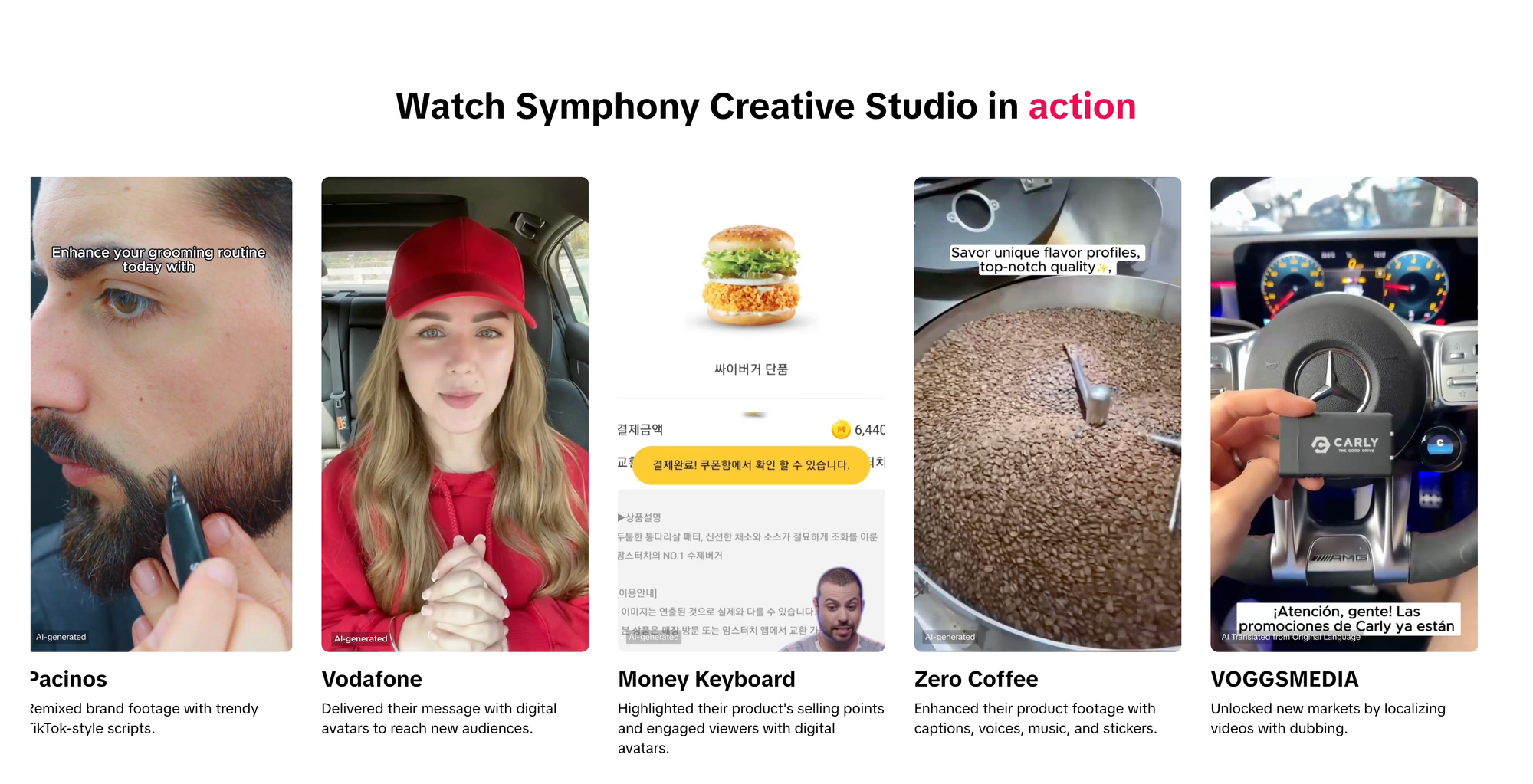
Reuters also reported that TikTok launched Symphony Creative Studios globally for advertisers in November 2024.
Amazon Ads introduced an AI-powered Video Generator that creates video content from a single product image in minutes for Sponsored Brands campaigns.
This has high potential for ecommerce, product demos, app explainers, and paid social testing. But for paid testing... Eh, the potential is still limited. The reason is obvious to anyone who spends time on social platforms: native taste is hard to fake.
AI can generate a video. It cannot reliably decide whether the hook feels forced, whether the pacing fits the platform, whether the avatar looks uncanny, or whether the concept feels like an ad wearing a creator costume.
Synthetic UGC and AI avatars are useful, but risky
Synthetic UGC, AI avatars, and AI spokespeople are already part of the neomarketing toolkit.
They can be useful for product explainers, multilingual demos, localized ads, internal education, and low-cost performance testing. A licensed avatar can deliver the same message in ten languages without ten separate shoots.
But this category breaks quickly when brands use it to fake authenticity.
Synthetic humans are not the same as creators. A creator brings audience trust, reputation, taste, memory, and social context. An avatar brings control and scale. Those are different assets.
Cadbury’s “Shah Rukh Khan My Ad” is one of the strongest cases of synthetic localized advertising done with a clear concept. Wavemaker says the campaign used machine learning to recreate Shah Rukh Khan’s face and voice so local store names could be inserted into ads. The campaign localized to 500+ pin codes and 2,500+ local business owners.
WPP’s case study says the campaign created thousands of hyper-personalized ad versions, drove 35 million impressions and 9.4 million video views, and produced lifts in ad recall and consideration.
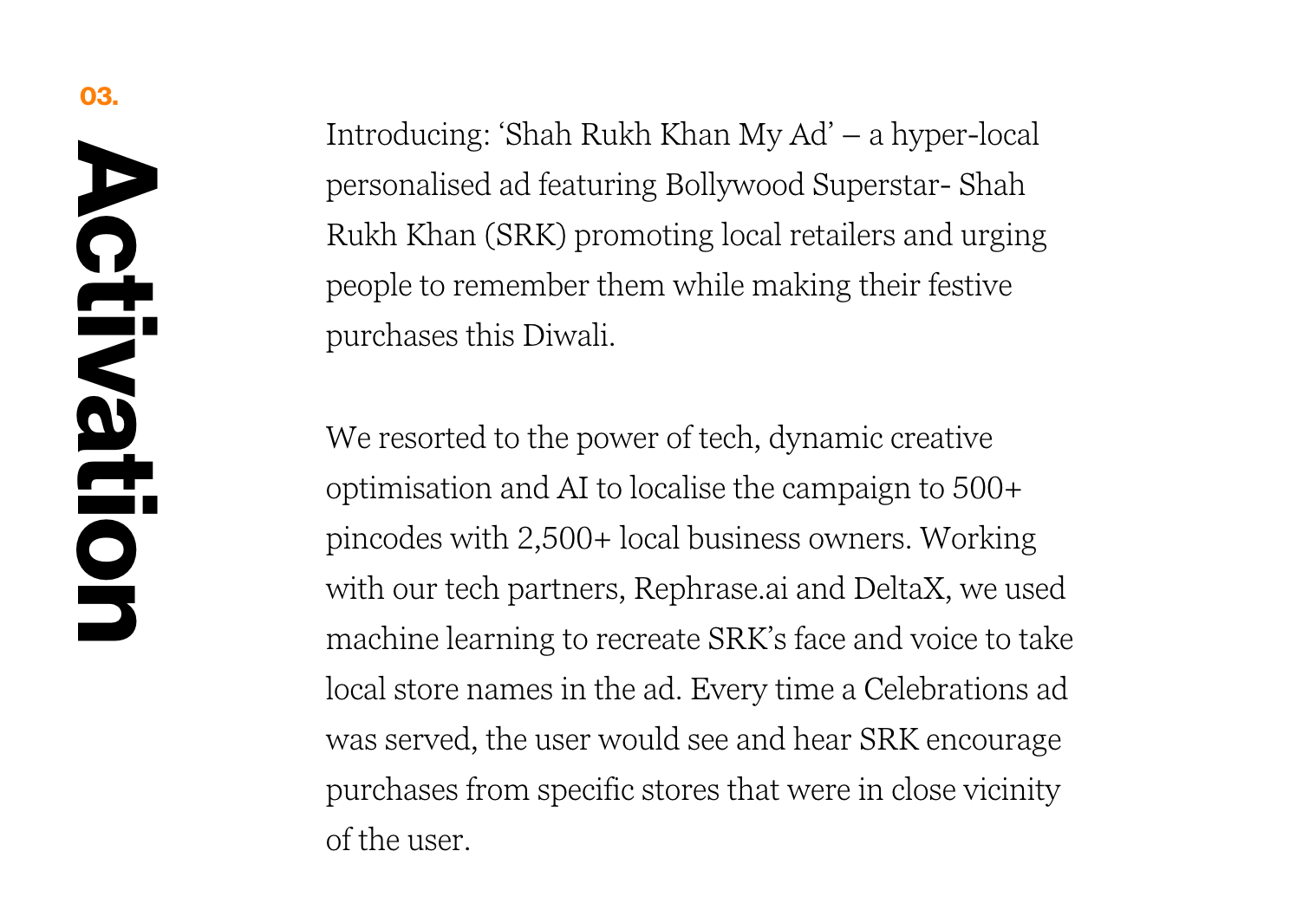
This worked because the idea matched the tool. It was not an attempt to manufacture fake customer love. It used synthetic media to localize celebrity attention for local businesses.
Hyperlocal and personalized creative is more defensible than generic volume
The most interesting use of AI creative is not infinite content. It is more relevant content.
Hyperlocal and personalized creative lets a brand adapt one campaign idea across stores, cities, languages, audience segments, offers, product categories, and behavioral signals.
This is different from generic AI content production. It is not only “make more.” It is “make the message closer to the context.”
The Cadbury case shows the logic clearly: one national celebrity campaign became thousands of local ads. That kind of system would be difficult to execute manually at the same speed and scale.
Bain reports that early trials of AI-powered targeted campaigns in retail have shown 10–25% increases in return on ad spend. Bain identifies three core mechanisms:
- on-demand content generation,
- richer customer profiles,
- and real-time one-to-one decision engines.
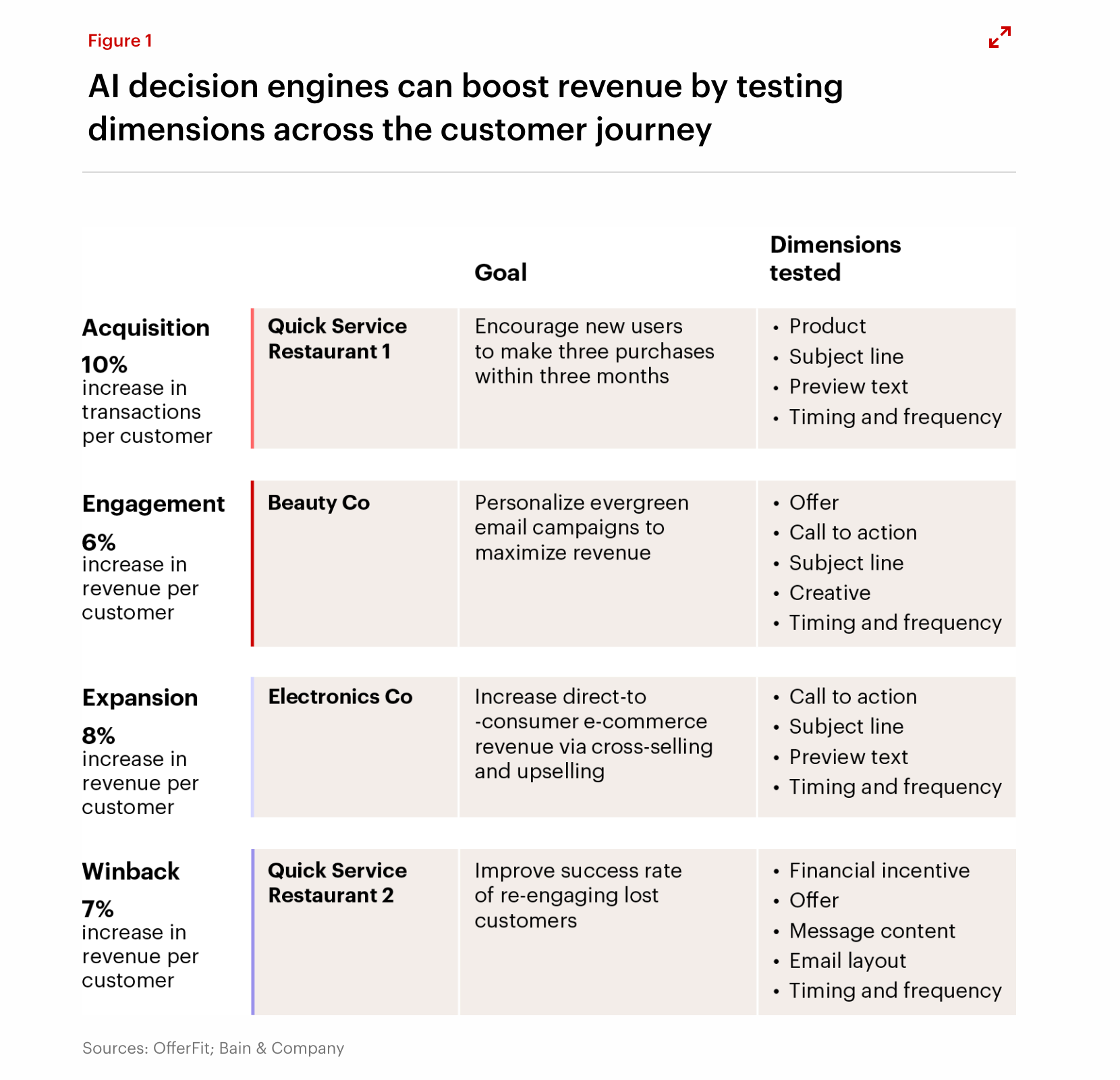
This is where neomarketing becomes more than production automation. Better personalization can connect marketing to lifecycle, retention, product usage, and purchase behavior.
But it only works when the data foundation is real.
Without clean customer data, consent rules, segmentation logic, and offer strategy, personalization becomes spam with better formatting.
Paid media platforms are moving toward black-box automation
The closest version of “autonomous marketing” is happening inside ad platforms.
Google, Meta, Amazon, and TikTok are building systems where advertisers provide assets, budgets, landing pages, goals, product feeds, and conversion signals. The platform then automates targeting, bidding, placement, creative variations, asset reporting, and campaign optimization.
Google Performance Max uses Google AI across bidding, budget optimization, audiences, creatives, attribution, and other campaign functions.
Google AI Max for Search uses AI for targeting and creative enhancements. Google says advertisers activating AI Max typically see 14% more conversions or conversion value at similar CPA/ROAS, and 27% uplift for campaigns mostly using exact and phrase keywords. Google also cites L’Oréal seeing a 2x higher conversion rate and 31% lower cost per conversion after using AI Max.
Meta’s Advantage+ Creative uses AI to generate and improve ad variations across image, video, and carousel formats.
Reuters reported, citing The Wall Street Journal, that Meta aims to allow brands to fully create and target ads with AI tools by the end of 2026. The reported roadmap would let a brand provide a product image and budget while AI generates campaign images, video, text, targeting, and budget suggestions.
This is powerful, but it comes with a tradeoff.
Platforms are optimizing inside their own measurement environments. A campaign can look efficient in-platform while still failing to create durable customers, brand trust, or profitable growth.
AI-powered paid media has high potential for brands with clean conversion tracking and enough data. It is risky for teams that treat platform-reported performance as the full business truth.
If this neomarketing study is useful, subscribe to Green Dots Research.
We publish occasional field notes on GTM strategy, distribution, AI search, creator marketing, founder growth, and how modern products reach markets.
Get new research notes directly in your inbox when they go live.
Next-best-action marketing may be one of the highest-value use cases
Personalization is often reduced to email subject lines and product recommendations. That undersells the shift.
In a neomarketing system, AI can help predict what a user needs next: an offer, message, product recommendation, support intervention, retention flow, upsell, education sequence, or service escalation.
McKinsey calls this “next best experience.” The firm says properly calibrated AI models using integrated customer lifecycle data can improve customer satisfaction by 15–20%, increase revenue by 5–8%, and reduce cost to serve by 20–30%. It also gives the example of a global payments processor using machine learning to estimate up to a 20% annual reduction in merchant attrition.
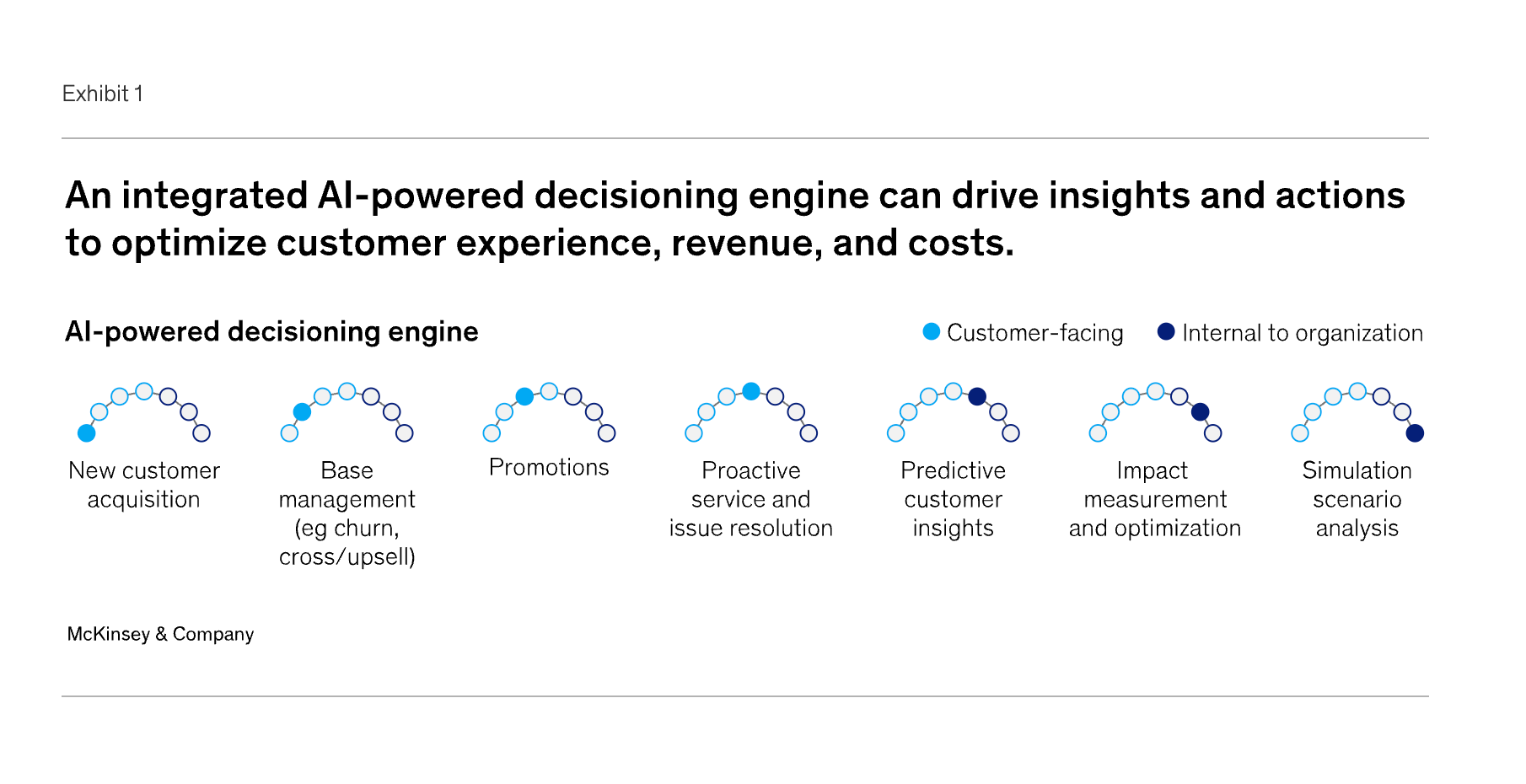
This matters for ecommerce, fintech, SaaS, marketplaces, subscriptions, and consumer apps. It also matters in Web3, where many products struggle with activation and retention after the first acquisition event.
The important constraint is trust.
Personalization should reduce friction and improve relevance. It should not make the user feel watched, manipulated, or pushed through a machine. The best systems will combine data quality, consent, lifecycle logic, and human review of the experience.
Conversational commerce turns AI assistants into a marketing surface
AI assistants are becoming part of marketing because they shape discovery, purchase, support, and retention.
The customer journey is slowly moving from “search and browse” to “ask and decide.” A user can ask an assistant what to buy, which product fits their use case, how two options compare, whether a brand is credible, or what to do after purchase.
Klarna’s AI assistant handled 2.3 million conversations in its first month, representing two-thirds of Klarna’s customer service chats. Klarna said it performed work equivalent to 700 full-time agents, reduced repeat inquiries by 25%, and cut resolution time from 11 minutes to under two minutes.
For brands, the marketing implication is bigger than support automation.
If AI assistants become a major interface between buyers and products, brands need to make their product data, reviews, comparisons, support content, policies, and credibility signals easy for AI systems to interpret.
That connects conversational commerce to GEO.
AI social listening can improve strategy, not only trend-chasing
AI-powered social listening is useful when it informs business decisions.
The basic workflow is clear: AI scans social media, search data, comments, reviews, creator content, competitor activity, and product conversations. It identifies topics, language patterns, sentiment shifts, pain points, creator opportunities, competitor narratives, and early warning signals.
The weak version is trend-jacking. The useful version is market sensing.
LPP’s AI use case is a good example because the company connects social listening to product and marketing decisions. Reuters reported that LPP uses AI to analyze trends and design clothing collections, shortening the design process from six to 12 months to six to 12 weeks, while also generating 80% of marketing visuals with AI.
The lesson is not “chase more trends.” The lesson is that AI can make market feedback faster and more visible.
Human judgment still decides which signals matter, which ones fit the brand, which ones are noise, and which ones deserve a strategic response.
AI can clean up influencer and KOL operations, but it cannot create trust
Influencer and KOL marketing will also absorb AI, but mostly in the operational layer.
AI can help with creator discovery, audience-fit analysis, fake follower detection, engagement quality checks, content classification, reporting, sentiment analysis, and outreach personalization.
That is useful.
It can reduce manual research time and improve campaign hygiene.
But the highest-value part of creator marketing remains human.
A tool can identify creators with good engagement. It cannot fully judge whether the creator has real trust with a niche audience, whether the content feels researched, whether the creator understands the product category, or whether the partnership will feel native.
This matters especially in Web3, where creators often act as trust carriers, translators, and distribution nodes. In our work with Web3 teams, the campaign rarely works because a creator has reach alone. It works when audience fit, timing, product context, and narrative clarity align.
 Stacy Muur
Virtual influencers are a narrow tool, not a universal solution
Virtual influencers are part of neomarketing, but they should not be treated as a cheaper substitute for human creators.
They offer control, scalability, visual consistency, and fictional world-building. That can work in gaming, fashion experiments, entertainment, and brands with a strong visual universe.
But they often struggle with authenticity and credibility.
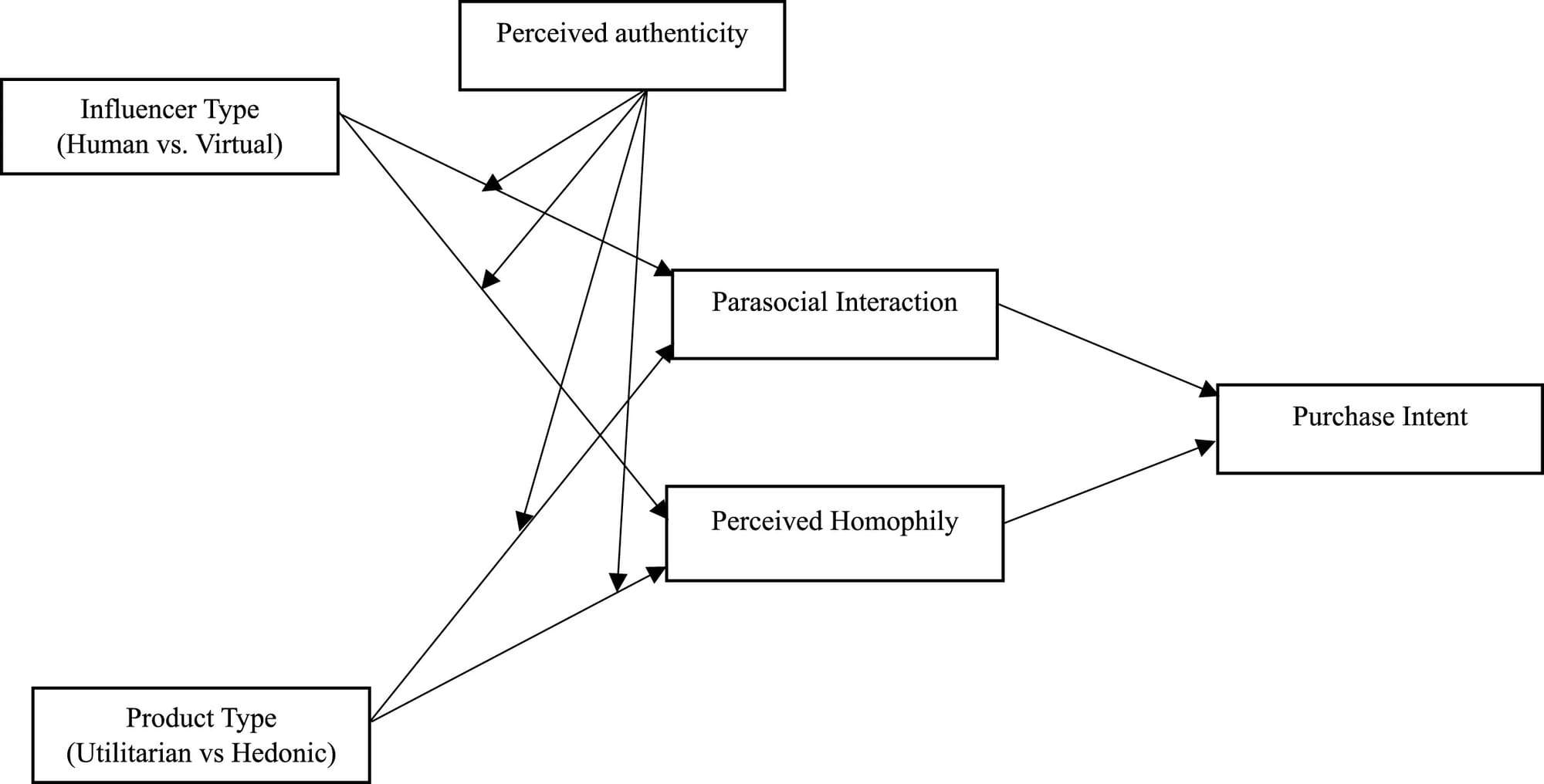
A 2024 Nature Humanities and Social Sciences Communications study on virtual influencers and customer-brand engagement notes that virtual influencers are gaining popularity, while credibility and engagement remain important questions.
A 2024 ScienceDirect study comparing virtual and human influencers found that perceived homophily, parasocial relationships, and authenticity mediate purchase intent.
GEO makes brand visibility depend on what AI systems can understand
Neomarketing is also changing search.
As users ask AI systems for answers instead of browsing ten search results, brands need to think beyond classic SEO. The question becomes: will AI engines mention, cite, compare, or recommend your brand?
GEO, or generative engine optimization, is the practice of making content easier for AI search systems to retrieve, understand, summarize, and cite.
This includes clear definitions, structured explainers, original research, product data, comparisons, FAQs, credible sources, expert commentary, third-party mentions, and content that answers specific questions directly.
The GEO paper by researchers from Princeton, Georgia Tech, Allen Institute, and IIT Delhi formalized “Generative Engine Optimization” as a framework for improving visibility in generative engine responses. The paper argues that generative engines synthesize answers from multiple sources, which changes how content visibility works for publishers and brands.
That does not mean every brand needs to publish generic AI-written SEO articles. That is exactly the wrong lesson.
The stronger lesson is that brands need credible, structured, original content that AI systems can parse and humans would still choose to read.
AI co-creation works when people already care about the brand
Some brands use AI not only to produce content internally, but to invite users, creators, or communities to co-create branded assets.
Coca-Cola’s “Create Real Magic” campaign gave digital artists access to a platform powered by GPT-4 and DALL-E, allowing them to create artwork using Coca-Cola brand assets. Selected works could be featured on digital billboards in Times Square and Piccadilly Circus. .
This kind of campaign works when the brand has assets people want to play with: visual memory, cultural meaning, fandom, community, or status.
It's important to note though that AI co-creation is not a shortcut to community. It is a participation mechanic.
What has real potential, what is conditional, and what is hype
The real potential sits in use cases where AI solves a real operational constraint.
- AI content supply chains are already useful because they reduce production cost and speed up creative iteration.
- Product video generation is useful because brands need more video than they can manually produce.
- Hyperlocal and personalized creative is useful because relevance can improve performance.
- Next-best-action systems are useful because they connect marketing to customer lifecycle and retention.
- Paid media automation is useful when conversion data is clean.
- Conversational commerce is useful when it improves service quality and product discovery.
The conditional category includes synthetic UGC, avatars, virtual influencers, AI co-creation, and AI-assisted KOL marketing. These can work when the concept, disclosure, audience, rights, and brand fit are clear. They fail when brands use AI to fake human trust.
The dangerous hype is fully autonomous marketing with no human control.
There is not enough credible evidence that brands can fully automate strategy, positioning, creative taste, legal judgment, cultural sensitivity, community trust, and business interpretation. Platforms may automate more campaign mechanics. That does not mean the brand can outsource the marketing brain.
The human work becomes more valuable, not less
The more production becomes automated, the more judgment matters.
This is the part many AI marketing conversations miss. If everyone can generate ads, videos, articles, avatars, landing pages, and emails, then generation itself becomes less valuable.
The scarce work becomes deciding:
What should the brand stand for?
Which audience matters most?
What should not be said?
Which claims need evidence?
Which channels deserve focus?
Which creative feels native rather than synthetic?
Which metrics reflect real business value?
Where does personalization help, and where does it feel invasive?
When does automation reduce quality?
When does the brand need a human voice?
In our work with founder-led and Web3 teams, we often see the same pattern: teams overestimate the channel and underestimate the system behind it. AI will make that mistake more expensive because it lets teams scale weak thinking faster.
Neomarketing rewards teams that can combine AI execution with human strategy. So if you need help with your marketing strategy, don't hesitate to drop us a DM.
Author note
Written by Stacy Muur, founder of Green Dots. Green Dots works with Web3 teams on GTM strategy, creator-led distribution, founder growth, and launch architecture.