
Why Most KOL Campaigns Fail — and Why KOLs Are Not to Blame
Most KOL campaigns don’t fail because creators are useless. They fail because teams buy attention before fixing positioning, audience fit, campaign architecture, trust, and product readiness.
Most Web3 teams think they have a KOL problem. In fact, they have a campaign design problem.
KOLs get blamed because they are the most visible part of the campaign. The post goes live. The numbers are disappointing. The founder asks why the creator did not convert. The marketing team concludes that “KOLs don’t work.” Classic.
Sometimes that is true. Some creators have inflated audiences. Some are poor fits. Some take too many paid posts. Some do not understand the product.
But across Web3 KOL campaigns, the more common issue is earlier in the chain.
The positioning was unclear.
The audience was too broad.
The campaign had no architecture.
The product was not ready to absorb attention.
The content looked like paid shilling.
The team bought reach and expected trust.
That is not how efficient KOL marketing works.
KOL marketing in Web3 is the use of crypto-native creators, analysts, traders, researchers, and community figures to distribute a product narrative and transfer trust to relevant audiences. It is different from buying media because the creator’s value is contextual credibility. When the campaign destroys that context, even strong creators struggle.
Why this matters now
KOL marketing is still one of the default distribution layers in Web3.
At Green Dots, we treat creator-led distribution as one part of a broader go-to-market system, not as a standalone replacement for strategy. We work across positioning, audience definition, narrative, channel selection, campaign architecture, and creator-led distribution — because performance depends on the alignment between those layers, not on paid creator posts alone.
The market has also become less forgiving.
Crypto users are trained to detect paid shilling, coordinated posting, and low-effort launch amplification. Generic paid content does not only underperform. It can make the product look weaker than it is.
This is why KOL campaigns need to be judged differently.
The question is not only “which creators should we buy?”
The better question is "can this campaign move the right audience from awareness to belief to action?"
Most failed campaigns never had a real answer.
Universal KOL campaign advice is useful only up to a point.
The mistakes below show a few patterns we see often: weak positioning, broad targeting, generic creator briefs, missing campaign architecture, and products that are not ready to absorb attention.
But the design of a strong KOL campaign is never universal.
A DeFi product, a trading app, an infrastructure launch, an RWA protocol, and a regional fintech campaign all need different creator roles, trust signals, content formats, sequencing, and conversion paths.
If this thinking is relevant to your launch, GTM strategy, or KOL marketing plans, you can contact Green Dots to discuss campaign architecture and creator-led distribution.
Mistake #1: Treating KOLs like expensive banner ads
Most weak KOL campaigns are banner ads with human faces.
The brand pays for a creator’s audience, then gives the creator a generic promotional message. Twenty accounts post similar copy. The same claims repeat across the timeline. The same product screenshot appears again and again.
At that point, the campaign stops looking like market validation. It starts looking like coordinated advertising.
That matters because the strongest advantage of KOL marketing is not reach. It is borrowed trust.
Nielsen’s Trust in Advertising research found that 88% of global respondents trust recommendations from people they know more than any other channel. Nielsen also notes that recommendations are trusted by about 50% more people than lower-ranked channels such as banner ads, mobile ads, SMS ads, and search ads.
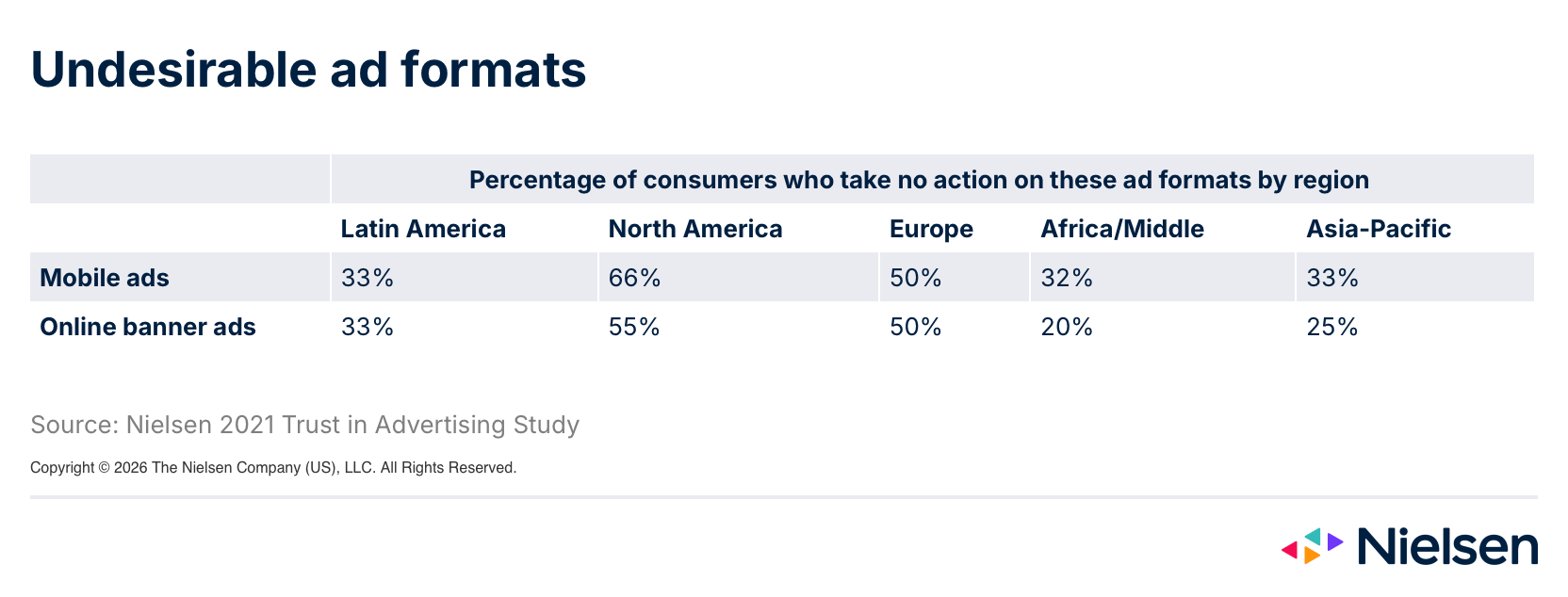
The point is not that KOLs are the same as personal recommendations. The point is that trusted human context performs differently from obvious ad formats.
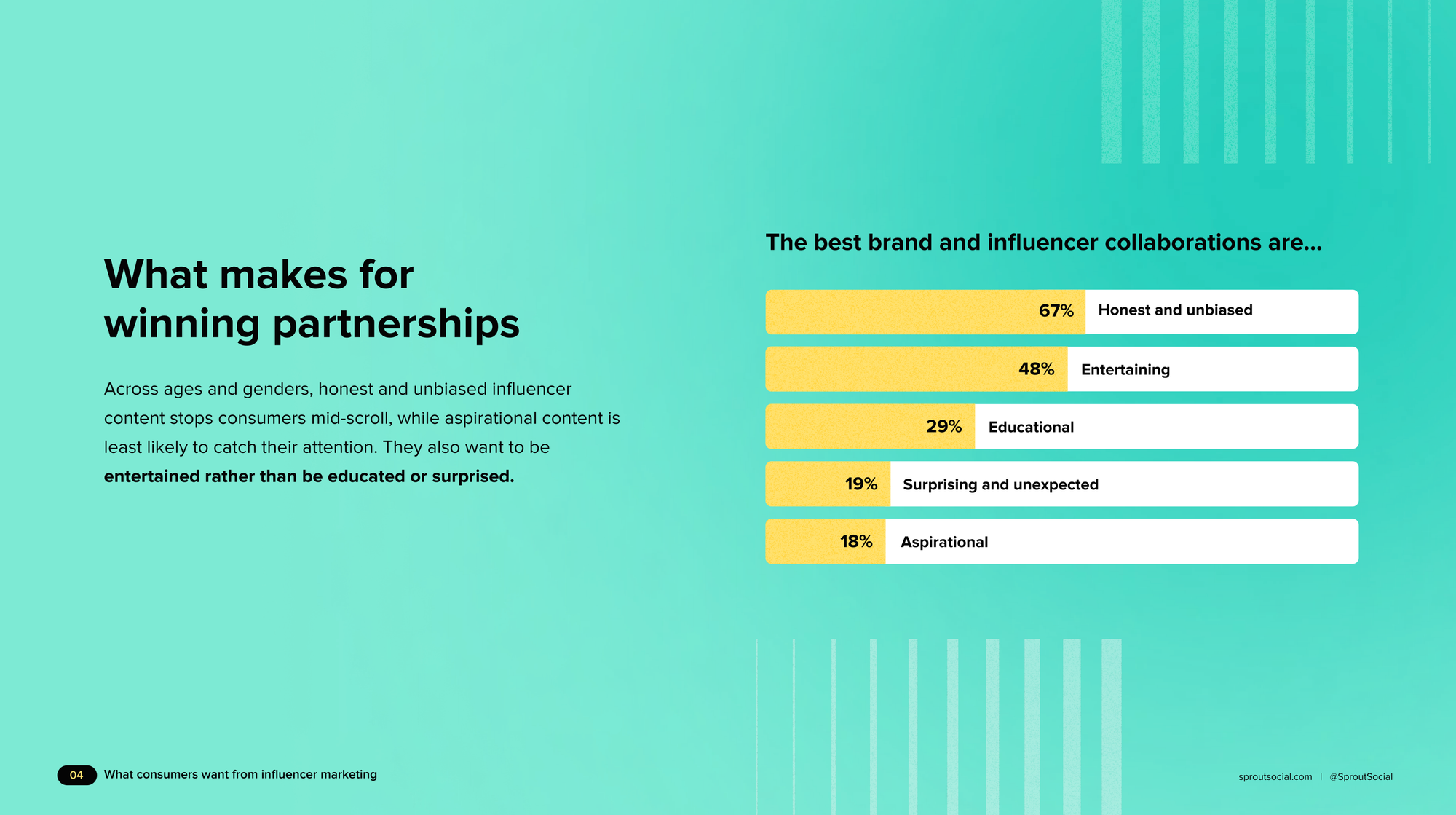
Sprout Social’s 2025 influencer marketing research also points in the same direction: consumers want authentic, original content and quality from the businesses they buy from. The report is broader than Web3, but the implication is relevant for crypto campaigns: creator content works best when it feels native to the creator’s voice and audience expectations.
A 2026 Gen Z credibility study conducted by Walr for We are Talker found that Gen Z respondents trusted customer reviews, independent research, and expert opinions more than influencer content when evaluating brand credibility.
Influencer content was not irrelevant, but it ranked below third-party proof.
That is an important correction for Web3 teams: influencer endorsement needs proof, context, and credibility around it. A paid post alone rarely carries the whole trust burden.
In crypto, this problem is sharper because users are already skeptical. A direct shill is the lowest-value use case for KOL marketing. If the campaign format is indistinguishable from a banner ad, the brand is not buying influence. It is buying expensive impressions.
Mistake #2: Running a posting calendar instead of campaign architecture
A list of KOLs, dates, deliverables, and captions is a posting calendar, not a campaign strategy.
This is one of the most common mistakes in Web3 KOL marketing. The team creates a spreadsheet. They assign creators to slots and brief everyone around the same announcement. They expect a short burst of visibility to turn into deposits, trades, signups, bridges, stakes, mints, or app usage.
That expectation is usually too high.
For financial products, users rarely convert from one promotional post.
They need to understand what the product is, why it matters now, what makes it different, what the risks are, why they should switch, who else credible is paying attention, and what they need to do next. One KOL post cannot carry all of that.
This is not only a Web3 pattern.
Forrester’s State of Business Buying 2024 found that 86% of B2B purchases stall during the buying process, while 81% of buyers express dissatisfaction with their chosen providers. The category is different, but the broader lesson applies to high-consideration decisions: buying journeys break when the path is unclear, risky, or poorly supported.
Gartner’s 2025 sales survey found that 61% of B2B buyers prefer a rep-free buying experience, and 73% actively avoid suppliers who send irrelevant outreach.
Again, this is B2B data, not crypto-specific conversion data. But it supports a practical campaign point: high-intent users want to research and validate on their own terms. Generic promotional pressure often works against trust.
A good KOL campaign should not feel like 30 people repeating the same message. It should feel like the market is gradually discovering the same conclusion from different angles.
That requires campaign architecture.
A stronger KOL campaign usually includes several layers:
- Discovery layer: Ecosystem maps, watchlists, market context, “why now” posts, and category framing.
- Education layer: Explainers, comparisons, research threads, product walkthroughs, and founder commentary.
- Validation layer: Respected creators, technical voices, analysts, community accounts, and people with real credibility in the product category.
- Conversion layer: Clear use cases, tutorials, product entry points, onboarding flows, and direct CTAs.
- Retention layer: Follow-up content, usage loops, community onboarding, updates, and reasons to return after the campaign spike.
The missing layer between “we bought KOLs” and “we generated demand” is usually architecture.
Mistake #3: Bad targeting disguised as “crypto reach”
“Crypto audience” is not a targeting strategy.
Web3 has many overlapping but behaviorally different segments: traders, airdrop farmers, DeFi power users, infra builders, RWA investors, stablecoin users, regional communities, gamblers, ecosystem contributors, founders, and many more.
They may all follow crypto accounts. But they do not evaluate products the same way.
A gambler audience can create engagement and short-term visibility. But if the product is stablecoin yield, institutional DeFi, RWA infrastructure, developer tooling, or a serious financial app, that attention is just irrelevant. The campaign can generate views and still fail.
Mistake #4: Marketers do not know who they are buying access to
Most KOL selection still happens on surface-level metrics: Follower count, average impressions, engagement rate. A subjective feeling that the creator “looks relevant.”
Those signals matter, but they are not enough.
The real question is not "Does this creator have crypto followers?"
The real question is "Does this creator have enough active audience members who can understand, access, trust, and act on this product?"
That is where due diligence often breaks.
Before buying a placement, teams should request and analyze creator-side analytics where available. That includes key engaging geos (liking, bookmarking, sharing), audience location breakdown, post-level analytics, topic-level performance, examples of previous relevant posts, quality of replies and quote tweets, and whether recognizable builders, traders, funds, ecosystem accounts, or power users engage.
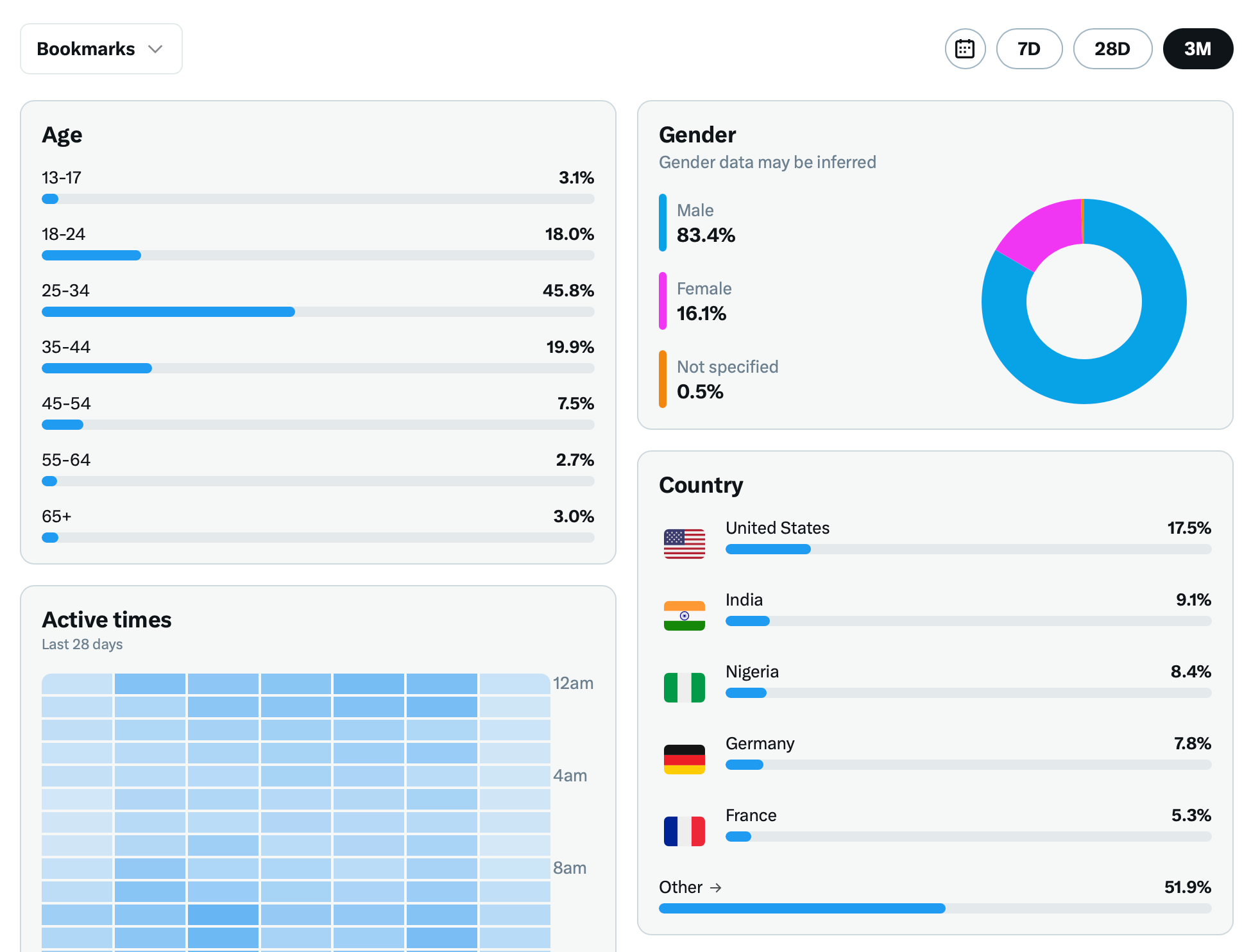
A practical way to score KOL relevance is:
- Audience fit asks whether the creator’s active audience matches the product segment.
- Trust fit asks whether the audience believes this creator on this specific topic.
- Content fit asks whether the creator can explain the product naturally.
- Conversion fit asks whether the audience can realistically use, buy, deposit, trade, bridge, stake, sign up, or switch.
In influencer marketing, you are not buying followers or views. You are buying access to a specific audience context. If you do not validate that context, you are buying blind.
Mistake #5: Product unreadiness
KOLs can amplify demand – but they cannot manufacture product-market fit. This is the fatal issue in many Web3 campaigns.
- The product is not differentiated enough.
- The onboarding is too difficult.
- The switching reason is weak.
- The yield source is unclear.
- The liquidity is not there.
- The app is not ready for campaign traffic.
- The product promise is stronger than the product experience.
KOL marketing does not solve that problem. It accelerates exposure to it.
Airdrops and points have made this worse because they can create the illusion of demand. They can drive short-term activity, but that does not mean the product has durable adoption.
Keyrock’s airdrop research found that most 2024 airdrops crashed within 15 days, and that 88% of tokens declined within months despite initial price spikes.
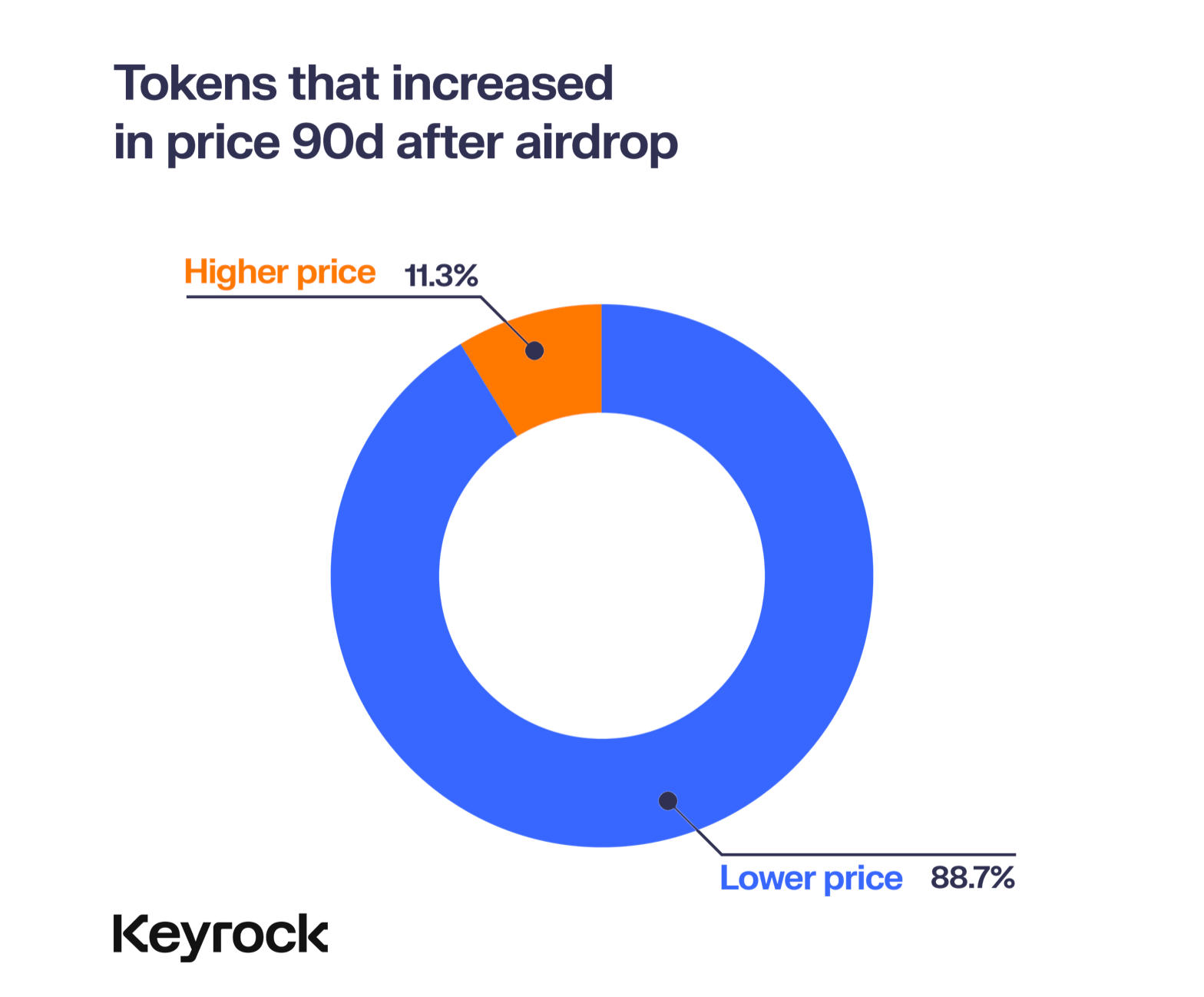
DappRadar reported that about 88% of airdropped tokens lose value within three months, framing the challenge as converting attention into sustainable communities rather than only creating a launch event.
The Defiant’s coverage of DappRadar’s research also noted that activity often drops back to only 20–40% above pre-airdrop levels within weeks, which suggests that airdrops can create attention events but often struggle to create durable behavior.
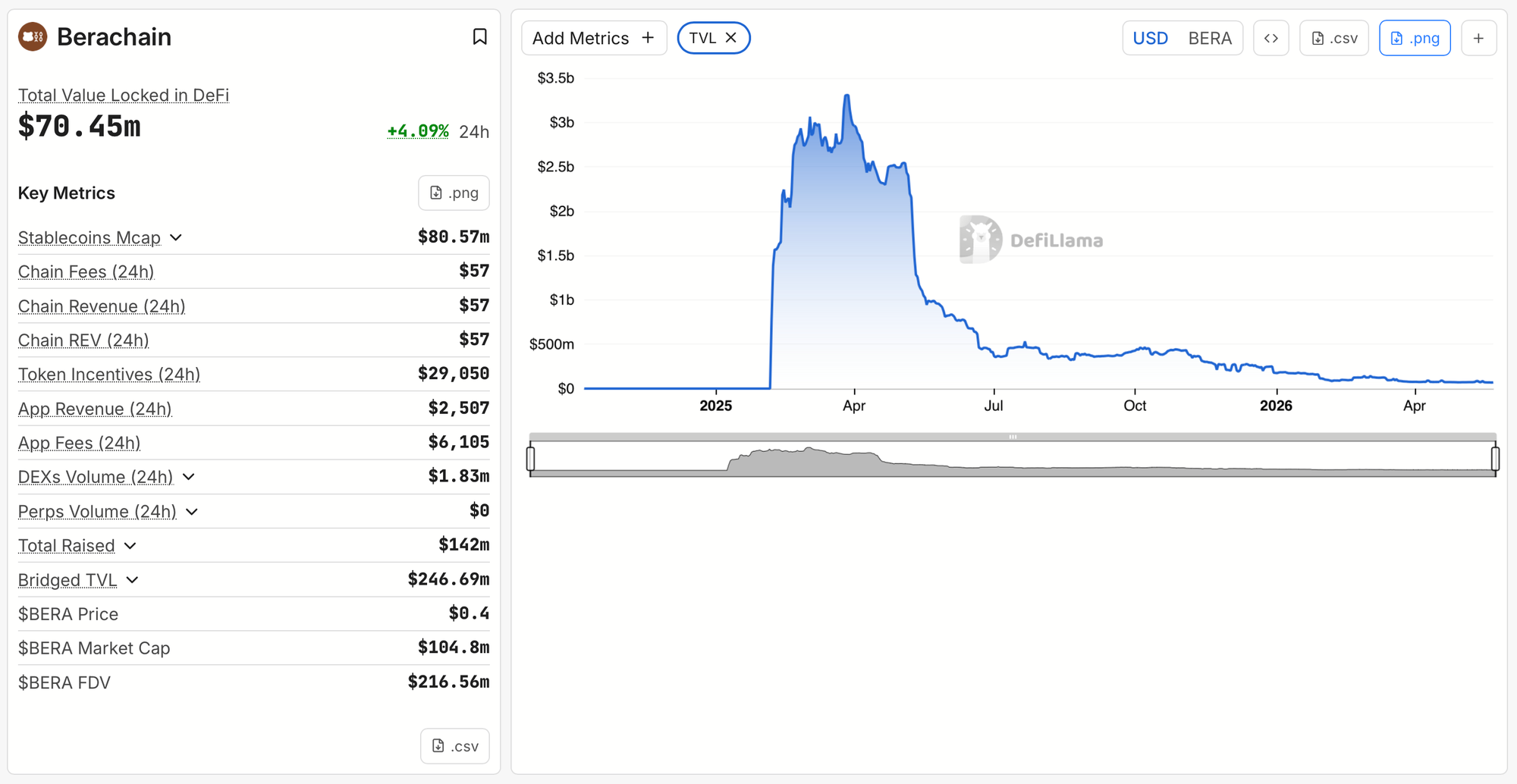
The argument is not that teams should wait until the product is perfect. That is unrealistic, especially in early markets. The argument is that teams should stress-test product readiness before scaling KOL spend.
Before buying a large creator campaign, ask:
- Can users explain what the product does after one touch?
- Can they explain why it is different?
- Is the switching reason clear?
- Does the onboarding flow match the campaign promise?
- Is there enough liquidity, depth, or functionality for the expected traffic?
- Are risks, yield sources, limitations, and mechanics clear?
- Does the product give users a reason to return after the campaign?
- Is there a retention loop beyond points, rewards, or airdrop speculation?
Amplification is dangerous when the product is not ready. It does not hide weaknesses. It distributes them.
Want more field notes like this?
Subscribe to Green Dots Research to get new studies, frameworks, and practical notes on GTM strategy, KOL marketing, creator-led distribution, founder growth, and Web3 user acquisition when they go live.
What successful KOL campaigns do differently
Successful KOL campaigns are built around the path from awareness to belief to action.
- They start with positioning, not distribution
Before buying creators, the team should know who the product is for, what problem it solves, why users should care now, what makes it different, what users should switch from, and what proof supports the claim. If that work is missing, creators are forced to compensate for unclear strategy. That is a bad use of creator trust. - They segment creators by role
Not every creator should do the same job. Research creators explain market context and product logic. Reach creators amplify narratives that already have substance. Technical creators validate mechanics, integrations, security, or architecture. Regional creators localize the message and build trust in specific markets. A campaign becomes stronger when each creator has a role. It becomes weaker when everyone posts the same announcement. - They use native formats
The best KOL campaigns rarely look like generic paid posts. They use watchlists, ecosystem maps, comparison threads, research-led content, tutorials, case studies, founder POV, data-led posts, category analysis, etc. The format should match the creator’s normal behavior and the audience’s reason for trusting them. - They build anchor pieces
Anchor pieces are deeper assets that carry the main argument of the campaign. They can be long-form research articles, product comparisons, state-of-the-market posts, founder theses, or data-backed explainers. This matters because lighter creator content cannot explain everything. It needs something to point back to: a clear thesis, a proof base, a product explanation, or a market argument. Without anchor pieces, every KOL post has to do too much. - They validate the audience before launch
Strong teams do not buy creators only because they look relevant. They check whether the active audience matches the campaign’s target user profile. They review creator-side analytics where available. They look at topic-level performance, reply quality, quote tweet quality, geographic relevance, and previous posts in similar categories. They also check whether the audience can actually use the product. - They stress-test product readiness
Before scaling spend, strong teams check whether the product, positioning, onboarding, and retention logic can support the promised campaign outcome. A campaign that drives traffic into a confusing product experience will make the marketing look bad. A campaign that drives traffic into a clear product experience gives creators something real to amplify. - They measure more than views
Views matter, but they are not enough. Better KOL campaign measurement includes qualified traffic, profile visits, waitlist signups, wallet connections, deposits, trading volume, product usage, repeat usage, sentiment quality, quality of replies and quote tweets, and retention after the initial campaign spike.
The metric should match the campaign stage.
Discovery content should not be judged only on immediate conversion. Conversion content should not be judged only on impressions. Research content should not be judged only on likes. Regional content should not be judged only against global reach accounts.
The campaign needs a measurement system that matches the architecture.
The real reason KOL campaigns fail
KOL campaigns fail when marketers buy attention and expect trust.
But trust is not bought in one post. It is built through relevance, repetition, proof, and product experience.
KOLs are often blamed because they are visible. But in many cases, they are only revealing what was already weak: the product was hard to explain, the audience was wrong, the message was generic, the conversion path was unclear, or the campaign had no trust-building sequence.
The job is not to make more people post. The job is to design the path from awareness to belief to action.
Subscribe to get new field notes when they go live.
Author note
Written by Stacy Muur, founder of Green Dots. Green Dots works with Web3 teams on GTM strategy, creator-led distribution, founder growth, and launch architecture.