
CustDev as GTM Risk Management for Fintech and Web3
Most fintech and Web3 GTM mistakes start before the campaign. Teams often market the wrong story to the wrong segment through the wrong channel because they never tested how the market actually makes adoption decisions.
TL;DR: Key insights
- Most GTM failures do not start at launch; they start earlier, when teams assume they already understand why users should care.
- A technically strong product is not automatically market-ready if it does not match real user behaviour and decision logic.
- CustDev helps fintech and Web3 teams test market assumptions before turning them into product, positioning, distribution, or launch decisions.
- Good CustDev identifies the real early user, the urgent pain, the current alternatives, the switching logic, trust blockers, proof requirements, and the language users naturally use.
- It also helps teams translate internal product strengths into market language that users, creators, partners, and communities can actually understand.
- The goal is not to ask whether users “like” the product, but to understand what would make them trust it, switch to it, use it, or recommend it publicly.
- The main takeaway: before scaling distribution, teams need to understand why the market should move — and CustDev is one of the cheapest ways to find that out.
Most GTM failures do not start at launch.
They start earlier, when a team assumes it already understands why users should care.
A fintech product can have strong technology, a serious team, and a real market opportunity, then still struggle because the team is wrong about the user’s actual decision logic. The same is true in Web3. A wallet, trading product, DeFi tool, payment layer, neobank, or infrastructure product can look strong internally and still fail to cross the trust gap outside the team.
That is where CustDev becomes useful.
CustDev is a structured way to test market assumptions before they turn into product, positioning, distribution, and launch decisions.
In GTM work, its value is practical: it helps teams find out whether the market story is true before they spend serious money trying to scale it.
Steve Blank’s Customer Development framework is built around the idea that startups begin with hypotheses, not facts, and need to test those hypotheses with real customers.
His Lean Startup article in Harvard Business Review makes the same point: early companies should search for a business model, test assumptions, gather customer feedback, and revise based on what they learn.
For fintech and Web3 teams, that discipline matters because adoption is rarely driven by a simple feature preference. Users are dealing with money, risk, security, habits, reputation, workflow disruption, incentives, and trust.
A product may be technically better than the current alternative. That does not mean users will switch.
What is CustDev in GTM strategy?
CustDev, or Customer Development, is the process of testing business and market assumptions through structured conversations with real or potential users.
In GTM strategy, CustDev is used to answer questions such as:
- Who is the real early user?
- What pain is urgent enough to change behavior?
- What current solution are users relying on?
- What would make them switch?
- What proof do they need before trusting the product?
- What language do they use to describe the problem?
- Which audience segment should be activated first?
- Which creators, KOLs, or community partners could credibly support the product?
The useful output is a clearer understanding of adoption logic.
That is the difference between asking “Do you like this product?” and asking “What would need to be true for you to use this, trust it, switch to it, or recommend it publicly?”
Most GTM mistakes start before GTM
A lot of teams think GTM starts when they prepare launch posts, hire KOLs, run paid campaigns, write announcements, or open community channels.
It starts earlier.
GTM begins when the team decides who the product is for, what problem it solves, why that problem matters now, why users should trust the team, and what would make the market change behaviour.
If those assumptions are wrong, execution gets expensive very quickly.
A campaign can be well-managed and still fail because the underlying market hypothesis is weak. A KOL campaign can generate reach and still fail because the message does not match user reality. A landing page can be clean and still fail because the product claim is written from the team’s point of view rather than the user’s.
CB Insights’ recent startup failure analysis lists lack of product-market fit among the top reasons startups fail, based on its post-mortem research. That is the broader startup pattern behind many GTM problems: teams build, fund, and market before they fully understand the market need, segment, or adoption path.
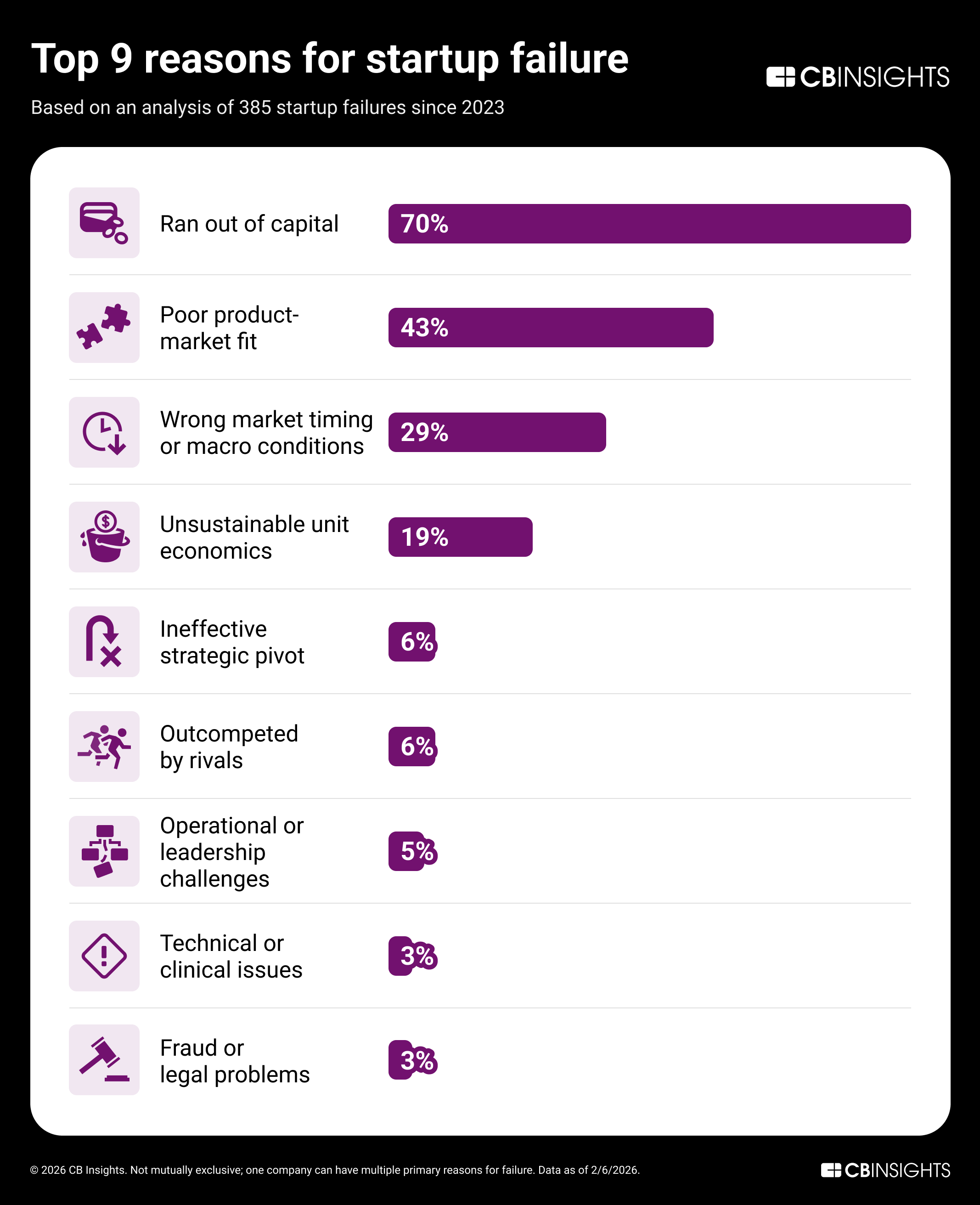
CustDev helps reduce that risk before it becomes a launch problem. Before a team spends on distribution, it needs to know whether the story it plans to tell is the story the market can believe.
Why CustDev matters more in fintech and Web3
In fintech and Web3, users are rarely choosing software alone.
They are choosing where to put money, attention, trust, operational workflow, reputation, and sometimes public identity. That makes adoption more sensitive than in many other software categories.
This is especially common in Web3, where creators, community operators, traders, and power users carry reputational risk when they support a product. A weak endorsement can damage credibility. A product with unclear security, unclear incentives, or unclear positioning creates hesitation even when the surface-level pitch sounds attractive.
Financial products also depend heavily on product development quality and customer fit.
A study in Technological Forecasting and Social Change on new financial products and services found that weak product development practices negatively affect product performance, based on case studies of financial service providers.
The lesson for GTM is simple: a technically good financial product is not automatically market-ready. The product has to match real behavior.
Bank of America’s “Keep the Change” program is a useful example.
The product concept came from observing how people already managed small saving behaviors, then turning that behavior into a simple round-up savings mechanism.
The insight was behavioral, not only functional.
CustDev tests adoption logic, not feature preference
Good CustDev should pressure-test the logic behind adoption.
The goal is to separate curiosity from intent.
Someone saying “this sounds interesting” is not the same as someone saying “I would stop using my current tool for this.” Someone joining a beta waitlist is not the same as someone trusting the product with money. A creator saying “cool idea” is not the same as a creator being willing to put their name behind it.
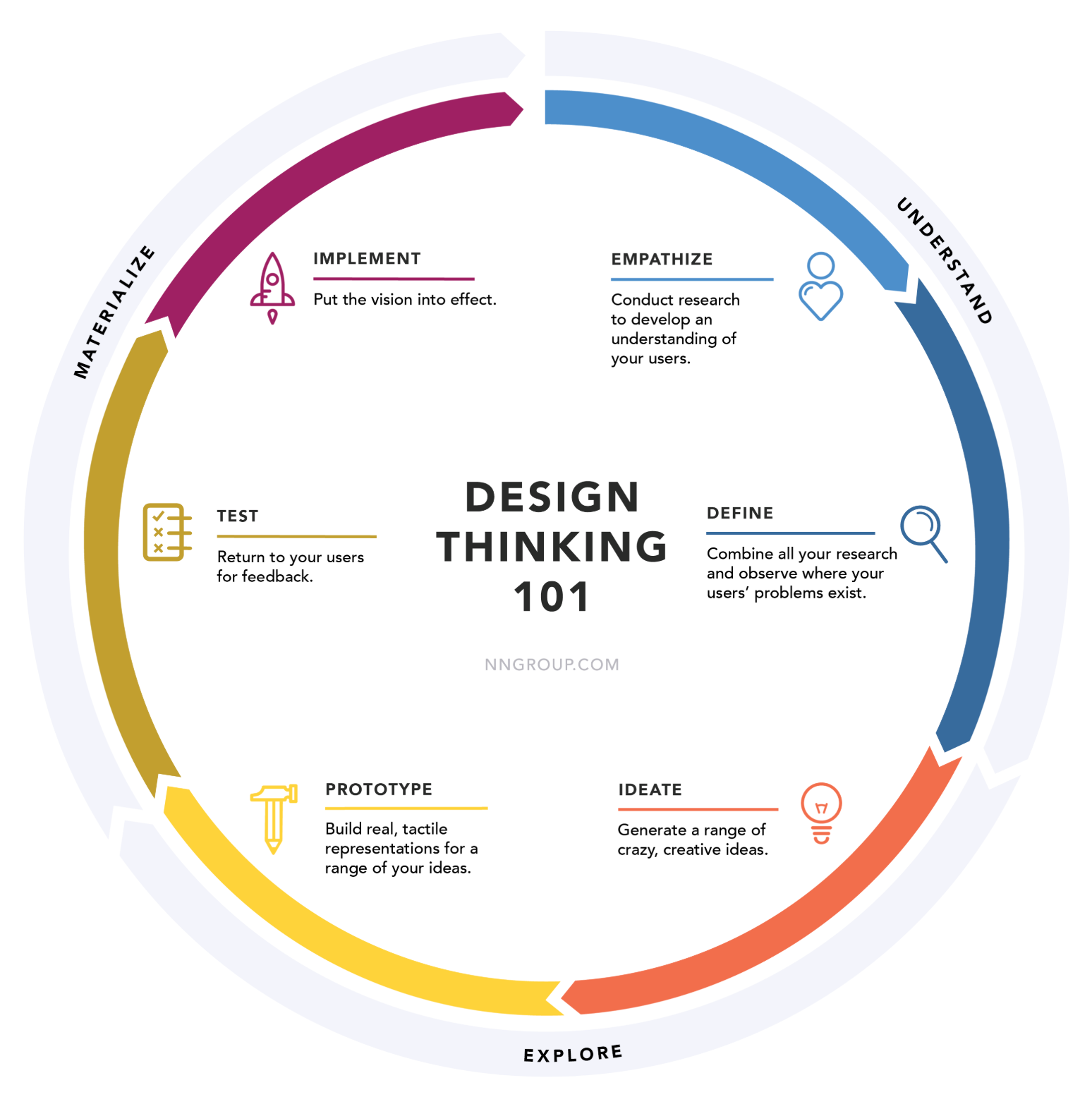
A strong CustDev process should test:
- Pain: What problem is real, recurring, and painful enough to matter?
- Segment: Who experiences the problem most clearly?
- Current behavior: What are users doing today instead?
- Switching logic: What would make them try a new product, and what would make them stay?
- Trust blockers: What would make them hesitate?
- Proof: What evidence do they need before taking the product seriously?
- Language: How do users naturally describe the problem?
- Channel fit: Where would they expect to hear about a product like this?
- Messenger fit: Who would they trust to explain it?
- Public advocacy: What would make a KOL, creator, community operator, or power user comfortable supporting it publicly?
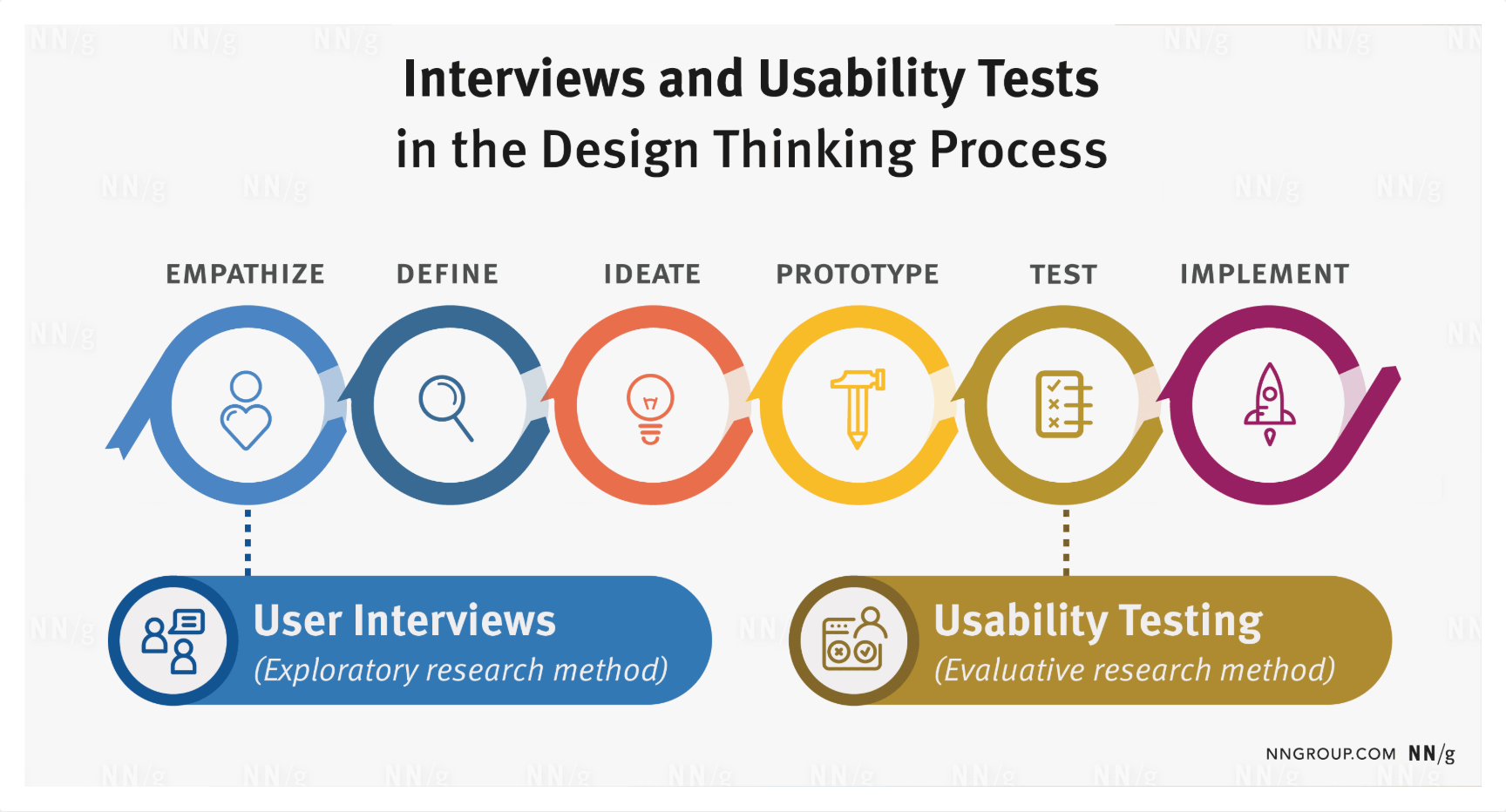
Nielsen Norman Group defines user interviews as a way to understand who users are, what their experiences are like, and what they need, value, and desire. That matters for GTM because the best interviews do not only collect feature requests, they also reveal motives, tradeoffs, hidden objections, and decision context.
CustDev turns product claims into market language
Teams often describe products from the inside out. They talk about architecture, infrastructure, speed, integrations, mechanics, liquidity design, automation, account abstraction, yield logic, APIs, chain support, or technical novelty.
Users make decisions from the outside in. They care about what changes in their workflow. They care about whether the product saves time, reduces risk, improves access, increases control, improves execution, protects reputation, or helps them make a better decision.
And CustDev helps translate internal product strengths into external market language.
That translation affects the whole GTM system:
- landing page copy
- founder content
- launch narrative
- KOL briefs
- product onboarding
- community education
- ambassador strategy
- investor updates
- partner conversations
- paid acquisition angles
This is why CustDev belongs inside GTM strategy, not only inside product research.
An anonymized Green Dots case study: CustDev before a Web3 financial GTM push
At Green Dots, we recently ran an in-depth CustDev study for a Web3 financial product preparing for a broader GTM push.
Because the work involved sensitive product and strategy context, the client remains anonymized. We will not disclose specific product findings, proprietary segment insights, competitive details, or private recommendations.
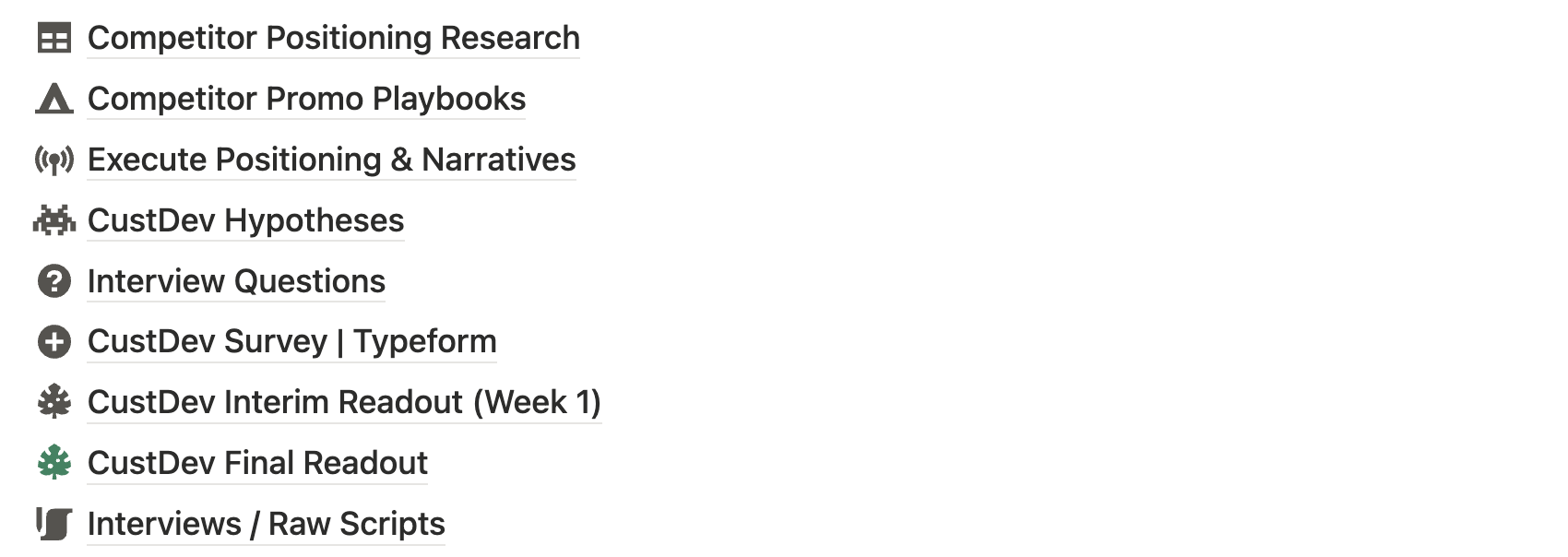
Our work included 30 carefully selected participants across relevant user types. The participant pool included experienced product users, market-native power users, creator-operators, community-facing profiles, and potential ambassador-style partners.
We wanted to understand:
- what would make users consider switching from existing tools
- what hidden barriers could block adoption
- which decision drivers mattered beyond surface-level product features
- what would make a KOL or community-facing user comfortable supporting the product publicly
- what kind of proof, incentives, or product experience would be needed before deeper activation
- which early GTM assumptions were strong enough to keep
- which assumptions needed adjustment before distribution scaled
The result of our work was a clearer view of adoption readiness.
The study helped the team pressure-test its initial GTM assumptions before scaling distribution. It clarified the difference between product curiosity and actual switching intent. It showed where trust and proof had to come before public advocacy. It also helped refine the launch sequence so the brand would not over-invest in a message or channel before validating user logic.
If you want to discuss your GTM, don't hesitate to reach out!
GTM mistakes CustDev helps avoid
CustDev saves teams from spending money on the wrong launch, and here are the mistakes we see most often.
1. Building the narrative around what the team finds impressive
Product teams often overestimate how much the market cares about technical construction.
Better GTM starts with the user’s decision logic.
- What pain do they recognize?
- What outcome do they want?
- What proof would make the claim believable?
The product architecture can matter, but only after the user understands why it changes something for them.
2. Treating all users as one broad audience
Fintech and Web3 teams often describe the audience too broadly: traders, DeFi users, institutions, creators, retail users, founders, DAOs, ecosystem teams.
Those categories are usually too wide for early GTM.
CustDev helps identify which segment has the strongest pain, lowest adoption friction, and highest credibility. That segment should often shape the first launch motion.
3. Assuming interest equals intent
Interest is cheap while intent is more expensive.
A user can say a product sounds useful without being ready to switch. A creator can agree the category matters without wanting to endorse a specific product. A community can engage with a campaign without becoming durable users.
4. Paying for distribution before validating the message
KOL campaigns, paid media, PR, founder content, and community pushes all amplify the message.
They do not fix a message that does not land and does not work.
5. Ignoring trust and proof
Financial products need proof before users act.
That proof can come from security, user experience, credible backers, transparent mechanics, audited systems, social proof, founder credibility, creator validation, community usage, or demonstrated product performance.
Different segments need different proof.
6. Designing KOL or ambassador campaigns around incentives alone
In Web3, strong creators protect their reputation.
A payment or allocation may get attention from some creators, but credible users usually need a reason to believe the product is worth public support. They need context, proof, product access, and a story they can explain without sounding like paid distribution.
7. Launching too broadly
Broad launches often feel safer because they look bigger. They can also create weak signal.
A better starting point is often the segment where the pain is clearest, the use case is easiest to explain, and the trust path is shortest.
Why this matters for KOL and community-led GTM
CustDev is especially useful before KOL campaigns because creators are not only traffic sources.
In Web3 and financial markets, creators often act as trust carriers. They help audiences interpret products, filter noise, and decide what deserves attention.
That role comes with risk.
- A strong creator does not want to damage audience trust by promoting a product they do not understand or cannot defend.
- A community operator does not want to send users into a product with unclear value, weak proof, or confusing incentives.
- A power user does not want to attach their name to something they would not use seriously.
CustDev helps answer the questions that should shape the KOL strategy:
- Should creators drive awareness, education, testing, social proof, onboarding, or conversion?
- Does the product need research-driven creators or reach-focused accounts?
- Which objections should the KOL brief address directly?
- What proof points are strong enough for public messaging?
- Which user language should creators mirror?
- Which claims should be avoided because they do not match user reality?
With CustDev, they can brief creators around actual pain, user objections, switching logic, trust requirements, and credible proof.
That usually produces better content because the creator is not asked to repeat a product brochure. They are given the market logic behind the product.
A practical CustDev framework for fintech and Web3 teams
CustDev needs enough structure to produce decisions.
If you find this research helpful, and would love to receive more research like this directly into your inbox, you are always welcome to subscribe.
Step 1: Define the riskiest assumptions
Start with the assumptions that could break the GTM strategy if they are wrong.
For fintech and Web3 teams, those assumptions often include:
- who the real early user is
- what pain is urgent enough
- what users currently do instead
- why they would switch
- what could block trust
- what proof is required
- which channel they would trust first
- what would make a credible user recommend the product
The goal is to test the assumptions with the highest GTM risk first.
Step 2: Recruit the right participants
Do not only interview friendly users, investors, existing community members, or people who already like the team.
For fintech and Web3 products, useful participant pools may include:
- current users
- competitor users
- power users
- high-frequency users
- inactive or churned users
- community operators
- trader-creators
- ecosystem analysts
- potential ambassadors
- users who tried similar products and stopped
Recruiting matters because weak participant selection creates comforting answers, and comforting answers are dangerous before launch.
Step 3: Ask about behavior, not opinions
A weak question is: “Would you use this?”
A better question is: “What do you use today, and when was the last time this problem happened?”
Behavior gives stronger signal than hypothetical approval.
Useful questions include:
- What do you use today?
- What made you choose it?
- What do you dislike about it?
- When was the last time this problem cost you time, money, or trust?
- What did you do instead?
- What would make you try an alternative?
- What would make you stop using your current solution?
- What would make you recommend a new product publicly?
- What would make you hesitate?
Step 4: Look for decision patterns
A CustDev study should not end with a pile of transcripts.
The output should include:
- user segments
- adoption triggers
- trust blockers
- switching logic
- language patterns
- positioning implications
- channel implications
- KOL and ambassador implications
- product or onboarding risks
- launch sequence recommendations
The pattern matters more than any single quote. Repeated decision logic across a segment is useful.
Step 5: Turn insights into GTM decisions
CustDev should influence the actual GTM plan.
That means changing:
- positioning
- landing page copy
- founder content
- KOL briefs
- launch sequence
- audience segmentation
- onboarding
- beta design
- incentive structure
- community strategy
- partner strategy
- product proof points
The final takeaway
- CustDev is one of the cheapest ways for fintech and Web3 teams to avoid expensive GTM mistakes.
- It helps teams understand whether users need the product, trust it, understand it, can switch to it, and would be willing to recommend it.
- The most dangerous GTM assumption is believing that visibility will solve a positioning problem.
- Before asking how to scale distribution, teams should ask whether they truly understand why the market should move.
That is what CustDev is for.
Subscribe to get new field notes when they go live.
Author note
Written by Stacy Muur, founder of Green Dots. Green Dots works with Web3 teams on GTM strategy, creator-led distribution, founder growth, and launch architecture.