
Best Places to Launch a Startup in 2026: 25 Platforms That Actually Drive Users, Feedback, SEO, and Revenue
Most launch announcements spike, then fade. The announcement funnel helps teams turn attention into waitlists, demos, community, product trials, partner conversations, and pipeline.

TL;DR: Where to launch based on builder purpose
- For public launch momentum: Product Hunt, Uneed, Microlaunch
- For pre-launch waitlists and beta users: BetaList, Tiny Startup, Indie Hackers
- For indie maker feedback: Tiny Startup, TinyLaunch, Microlaunch, SideProjectors, Peerlist
- For technical feedback and developer credibility: Hacker News / Show HN, DevHunt, LibHunt, GitHub communities
- For open-source discovery: OpenAlternative, LibHunt, Hacker News / Show HN
- For SEO and backlinks: AlternativeTo, SaaSHub, Futurepedia, There’s An AI For That, TrustMRR, Firsto, Launching Next
- For AI tool discovery: There’s An AI For That, Futurepedia, Product Hunt
- For comparison-intent traffic: AlternativeTo, SaaSHub, Software Advice
- For first revenue and buyer validation: AppSumo, Tekpon, niche marketplaces
- For B2B credibility and leads: GoodFirms, Tekpon, Software Advice
- For founder community and relationship-building: Indie Hackers, Peerlist, SideProjectors
- For post-launch evergreen discovery: AlternativeTo, SaaSHub, Futurepedia, There’s An AI For That, Firsto, TrustMRR, Launching Next
Launching a startup, SaaS tool, AI product, indie app, or side project is about getting it in front of the right people fast enough to learn what the market actually understands.
Product Hunt still gets most of the launch-day attention. But experienced founders stack launch platforms, founder communities, technical forums, directories, AI tool lists, review sites, and marketplaces because each channel gives a different kind of signal.
- Product Hunt can create social proof and launch-day momentum.
- BetaList can test pre-launch demand. Hacker News can bring technical feedback and developer traffic.
- Directories can support long-tail SEO and AI search discovery.
- AppSumo can test buyer demand, onboarding, and support pressure.
Recent research on 67,292 featured Product Hunt posts from 2019–2025 found that launch signals contain statistically significant predictive information for Series A outcomes. But only 528 launches, or 0.78%, raised a verified Series A within 18 months.
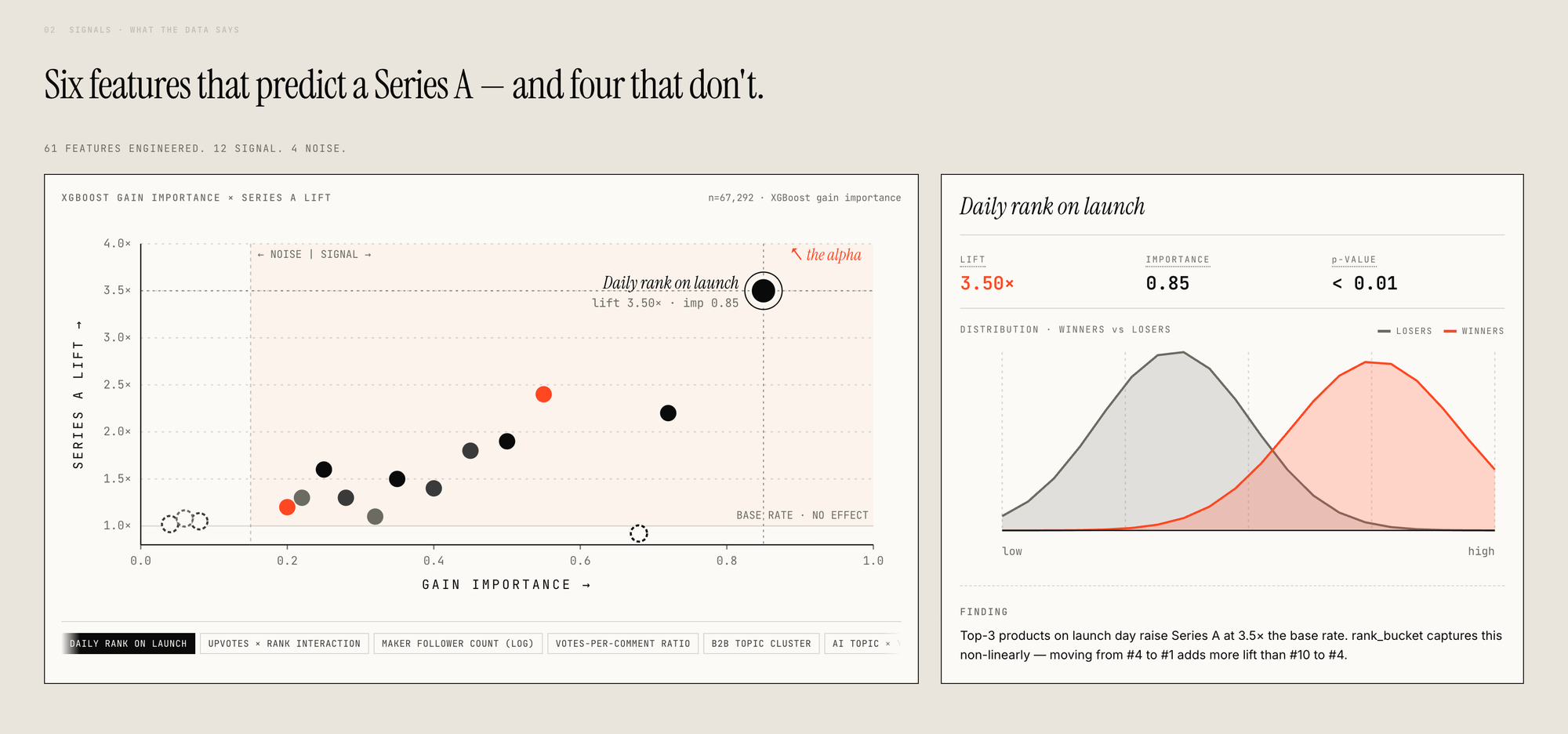
My read: Product Hunt is useful signal but not a company-building guarantee.
Why founders should launch across multiple platforms
Before choosing where to launch, decide what you need to learn:
- Are you testing whether early adopters understand the product?
- Looking for beta users?
- Trying to collect technical feedback?
- Building backlinks?
- Hoping to generate first revenue?
And each platform gives you a different answer.
CB Insights lists lack of product-market fit as one of the major reasons startups fail. A launch is one of the fastest ways to test whether the market cares before a team scales spend, hiring, or roadmap commitments.
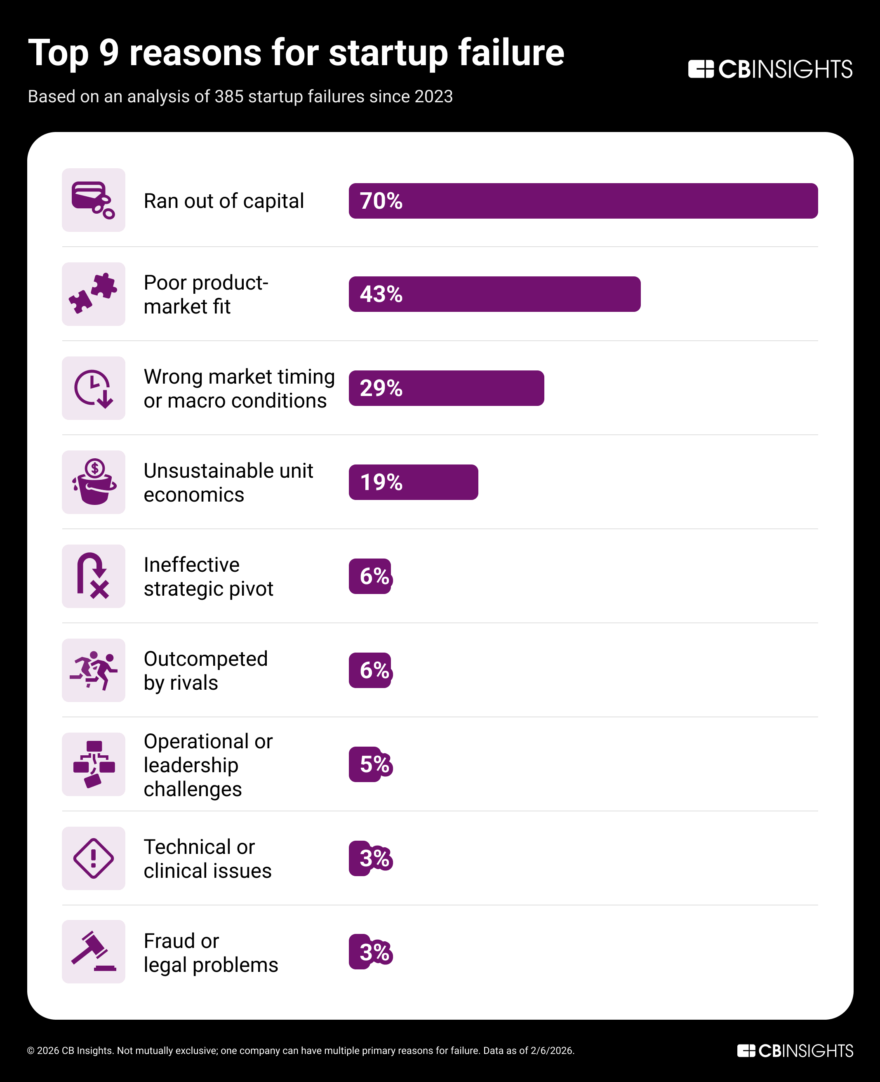
And in 2026, this is getting harder. AI has made products easier to build and faster to ship, which means launch surfaces are more crowded.
One 2026 paper using more than 160,000 Product Hunt launches found that entrepreneurial entry rose sharply after ChatGPT-3.5, driven disproportionately by solo entrepreneurs. The same study found that team-based ventures still dominated the top tiers of Product Hunt rankings.
So positioning, sequencing, and follow-through now matter just as much as the launch itself.
Want to get more research like this directly into your inbox?
Don't hesitate to subscribe. It's absolutely free.
Tier 1: Big launch platforms for exposure
These platforms are best for visibility: traffic spikes, signups, comments, public credibility, early-adopter feedback, and social proof.
1. Product Hunt
Product Hunt says makers get access to a global audience of early adopters and tech enthusiasts, while comments can create feedback, networking, partnership, and funding opportunities.
The nuance: Product Hunt works best when the product already has a clear landing page, demo video, signup path, founder comment, and post-launch follow-up.
- Best for: SaaS, AI tools, productivity tools, developer tools, consumer apps, creator tools, design tools.
- Track: Visitors, signup conversion, comments, qualified leads, demo bookings, referrals, backlinks, follow-up engagement.
2. BetaList
BetaList is useful for pre-launch startups that want beta users, waitlist signups, and early demand before a full public launch.
Use it when the product is not ready for a high-pressure launch day. The goal is not a pretty waitlist number. The goal is to learn which segments respond. A 5,000-person waitlist is not automatically better than 200 qualified users who reply, test, or pay.
- Best for: Pre-launch SaaS, indie apps, AI tools, productivity products.
- Track: Waitlist conversion, reply rate, user qualification, beta activation, early interviews.
3. Uneed
Uneed is a useful Product Hunt alternative for indie products, SaaS tools, AI tools, and creator-built software.
Gives founders another public launch surface with less pressure than Product Hunt and a more focused discovery environment.
- Best for: Indie tools, SaaS, AI products, small teams.
- Track: Referral traffic, listing clicks, signups, comments, backlinks.
4. Tiny Startups
Tiny Startups works well for smaller maker launches, side projects, and early products that need feedback from a founder-heavy audience. It is a good pre-Product Hunt surface because the audience is more forgiving and the feedback can be more practical.
- Best for: Side projects, micro-SaaS, early indie apps.
- Track: Feedback quality, newsletter traffic, signups, founder comments.
5. TinyLaunch
TinyLaunch gives early products another low-friction launch surface. It probably will not create the same spike as Product Hunt, but smaller launch communities can help sharpen positioning before the main public launch.
- Best for: Indie products, early SaaS, small tools.
- Track: Signups, clicks, comments, page conversion.
6. Microlaunch
Microlaunch is useful for early-stage startups, indie makers, and small software tools that want public feedback and directory-style visibility.
Treat it as one more signal source, not the whole launch strategy.
- Best for: Micro-SaaS, indie apps, AI tools, founder-built products.
- Track: Ranking, comments, referral traffic, signups, backlinks.
Tier 2: Communities and forums for feedback
Communities are not only traffic channels. Sometimes the best outcome is objections, beta testers, GitHub stars, user interviews, collaborators, or early advocates.
7. Indie Hackers
Indie Hackers is useful for bootstrapped founders, solo builders, SaaS operators, and people building in public.
It works better as a learning channel than a one-day launch channel. Founders can share revenue milestones, product lessons, build-in-public updates, and honest questions.
Unlike Product Hunt, Indie Hackers does not have to be one spike. It can become a long-term distribution channel where other builders follow the product’s progress.
- Best for: Bootstrapped SaaS, indie products, founder-led launches.
- Track: Comments, relationships, user interviews, email signups, founder network growth.
8. Hacker News / Show HN
Hacker News is one of the highest-upside launch channels for developer tools, AI infrastructure, open-source projects, APIs, databases, technical products, and unusual demos.
A plain Show HN post with a working demo, technical explanation, and honest founder participation usually fits the culture better than polished marketing copy.
- Best for: Developer tools, open-source projects, AI infrastructure, APIs, technical demos.
- Track: Comments, GitHub stars, forks, contributors, docs visits, trial signups, technical objections.
9. DevHunt
DevHunt is a more targeted launch platform for developer tools, APIs, libraries, infrastructure products, and technical software. The signal here is GitHub activity, docs traffic, API usage, integrations, and developer comments.
- Best for: Developer tools, SDKs, APIs, infrastructure, open-source products.
- Track: GitHub activity, documentation traffic, integration starts, developer comments.
10. SideProjectors
SideProjectors is useful for indie makers, side projects, small apps, and early products. It fits founders who want peer support, beta users, collaborators, or potential acquirers more than a massive traffic spike.
- Best for: Side projects, indie apps, small tools.
- Track: Inquiries, comments, signups, collaboration leads.
11. Peerlist
Peerlist is useful for product builders, designers, developers, and operators who want to launch inside a professional maker network. It supports founder-led distribution because the audience includes people whose identity is tied to building, shipping, designing, and testing products.
- Best for: Design tools, portfolio products, developer tools, SaaS, founder-led launches.
- Track: Profile visits, product clicks, comments, collaborators, professional leads.
Tier 3: Discovery directories for SEO and evergreen traffic
Directories are not launch-day hype channels. They are compounding discovery assets.
They help founders show up in searches like:
- “alternative to [competitor]”
- “best tool for [use case]”
- “AI tool for [job]”
- “open-source alternative to [product]”
- “best [category] software”
This also matters for AI search.
A 2026 study tested 112 startups from the top 500 Product Hunt products of 2025 across 2,240 LLM discovery queries. When users asked about products by name, ChatGPT recognized them 99.4% of the time and Perplexity 94.3% of the time. For generic discovery queries, visibility dropped to 3.32% for ChatGPT and 8.29% for Perplexity.
The study found that traditional SEO signals, referring domains, Product Hunt ranking, and community presence mattered more than generic GEO scoring.
12. AlternativeTo
AlternativeTo is valuable because users arrive with comparison intent. They already know a competitor and are actively looking for another option. Pair the listing with your own “Best [Competitor] Alternatives” landing page. The directory gives you a surface; your own page gives you the argument.
- Best for: SaaS, productivity tools, developer tools, open-source alternatives.
- Track: Referral traffic, listing rank, competitor comparison traffic, backlinks.
13. OpenAlternative
OpenAlternative is best for open-source and self-hosted alternatives. It is useful for technical buyers who care about transparency, self-hosting, GitHub activity, and open-source credibility.
- Best for: Open-source SaaS, self-hosted tools, developer products.
- Track: GitHub visits, stars, docs traffic, self-hosted installs.
14. SaaSHub
SaaSHub supports B2B SaaS discovery through software categories, alternatives, comparisons, and rankings. Treat it as a long-tail buyer-intent channel, not a launch-day traffic source.
- Best for: B2B SaaS, productivity software, business tools.
- Track: Category visibility, comparison clicks, leads, backlinks.
15. There’s An AI For That
There’s An AI For That is one of the better-known AI tool directories. For AI startups, directory submissions are table stakes. The real advantage comes from owning specific use-case searches like “AI tool for customer support QA,” “AI meeting notes for agencies,” or “AI research assistant for students.”
- Best for: AI tools, automation products, workflow assistants.
- Track: Listing views, referral traffic, use-case page traffic, signup conversion.
16. Futurepedia
Futurepedia is another major AI tool directory with broad discovery potential.
Useful, but crowded. Pair the listing with use-case landing pages, Product Hunt, Reddit, LinkedIn or X proof, founder content, and SEO pages.
- Best for: AI tools, productivity AI, creative AI, workflow automation.
- Track: Referral traffic, category placement, signups, backlinks.
17. LibHunt
LibHunt is useful for open-source libraries, frameworks, SDKs, and developer-facing software.
Use it when the product can be evaluated through code quality, GitHub activity, package installs, community usage, and technical credibility.
- Best for: Libraries, frameworks, SDKs, open-source developer tools.
- Track: GitHub stars, forks, package installs, contributors, docs traffic.
18. TrustMRR
TrustMRR is useful as a smaller evergreen listing and backlink source.
It may not drive a launch-day spike, but it can support authority, third-party mentions, and long-tail discovery.
- Best for: SaaS, indie tools, bootstrapped products.
- Track: Backlinks, listing clicks, referral traffic.
19. Firsto
Firsto is another directory-style launch surface for early startups. Use it as part of a broader directory stack rather than a standalone launch channel.
- Best for: Early startups, SaaS, indie products.
- Track: Referral traffic, backlinks, signups.
Tier 4: Deal and marketplace platforms for revenue
Marketplace launches test pricing, onboarding, support, buyer objections, activation, refund risk, and whether people will pay.
20. AppSumo
AppSumo can generate revenue, testimonials, and product feedback quickly. It can also bring a wave of demanding users.
The right way to think about AppSumo is as a revenue and product stress test. It should not be the first public launch for an unvalidated or fragile product.
Stackby used four AppSumo launches to build a sustainable bootstrapped SaaS business and compete in a venture-backed category, according to AppSumo’s own case study.
Use AppSumo only when onboarding, support, documentation, pricing logic, and activation are ready. A lifetime deal can validate demand, but it can also expose weak positioning, unclear onboarding, or support costs that do not make sense.
- Best for: SaaS, productivity tools, marketing tools, business software.
- Track: Revenue, activation rate, refund rate, support volume, reviews, retention, upsell conversion.
Tier 5: Review and niche marketplaces for credibility
Review sites and niche marketplaces are better for B2B credibility and buyer trust. Most of them fit better once the product has a clearer category, polished onboarding, customer proof, and some kind of sales motion.
21. GoodFirms
GoodFirms is useful when buyers compare vendors before contacting sales. It can support credibility for service-adjacent products, B2B software, and companies that need third-party validation.
- Best for: B2B software, agencies, service platforms, vendor-led categories.
- Track: Profile visits, inbound leads, review count, category visibility.
22. Tekpon
Tekpon is a SaaS marketplace built around B2B discovery and comparison workflows. It is useful for founders who want to appear where buyers are already comparing software options.
- Best for: B2B SaaS, sales tools, marketing tools, operations software.
- Track: Leads, referral traffic, buyer intent, reviews.
23. Software Advice
Software Advice is a high-authority review and comparison site. It fits better once the product has a defined category, reviews, and a sales process.
- Best for: Mature B2B SaaS, category-specific software, sales-led products.
- Track: Leads, review quality, category placement, conversion rate.
24. PeerPush
PeerPush is a smaller launch and discovery surface for maker-to-maker exposure. Use it to add another public listing, collect feedback, and support early discovery.
- Best for: Indie tools, early SaaS, maker products.
- Track: Listing clicks, signups, comments, backlinks.
25. Launching Next
Launching Next is a long-running startup directory with SEO value. It works best as part of a broader directory-submission stack for backlinks, visibility, and evergreen discovery.
- Best for: Startups, SaaS products, apps, early-stage tools.
- Track: Backlinks, referral traffic, listing visibility.
How to choose the right startup launch platform
Not every startup should launch everywhere.
The useful question is: what signal do you need right now?
- If you need big launch-day awareness, start with Product Hunt, Uneed, or Microlaunch.
- If you need pre-launch waitlist demand, try BetaList, Tiny Startup, Indie Hackers, or a focused waitlist campaign.
- If you need technical feedback, prioritize Hacker News, DevHunt, LibHunt, GitHub communities, or OpenAlternative.
- If you need SEO and backlinks, use AlternativeTo, SaaSHub, Futurepedia, There’s An AI For That, Firsto, TrustMRR, and relevant category pages.
- If you need AI tool discovery, combine There’s An AI For That, Futurepedia, Product Hunt, Reddit, founder content, and SEO pages.
- If you need first revenue, AppSumo or niche marketplaces can work – but only if onboarding and support are ready.
- If you need B2B credibility, look at GoodFirms, Software Advice, Tekpon, and other review surfaces once you have proof.
The mistake is treating this list like a checklist. A launch platform is useful only if it matches the stage of the product and the signal you need.
A smarter startup launch sequence
The smartest founders sequence launches so each channel builds on the last.
1. Private beta
Start with founder network, existing users, niche Slack or Discord groups, and small communities.
Goal: qualitative feedback, onboarding issues, use-case clarity.
2. Pre-launch
Use BetaList, Indie Hackers, Tiny Startup, and waitlist pages to collect early demand.
Goal: qualified beta users, waitlist replies, positioning signal.
3. Technical launch
Use Hacker News, DevHunt, LibHunt, GitHub, or OpenAlternative if the product is technical, open-source, or developer-facing.
Goal: technical credibility, docs feedback, GitHub stars, API or product usage.
4. Main public launch
Use Product Hunt, Uneed, X, LinkedIn, founder newsletters, and community posts.
Goal: awareness, comments, social proof, signups, investor and media visibility.
5. Evergreen discovery
Submit to AlternativeTo, SaaSHub, Futurepedia, There’s An AI For That, Firsto, TrustMRR, and relevant review sites.
Goal: backlinks, long-tail SEO, AI discovery, category visibility.
6. Revenue launch
Use AppSumo or niche marketplaces only once onboarding, support, and pricing are ready.
Goal: revenue, reviews, buyer feedback, activation data.
This sequence is not fixed.
A developer tool may start with Hacker News. A consumer AI app may start with TikTok, Product Hunt, or a creator-led launch. A B2B SaaS tool may start with founder network and sales calls.
But the principle stays the same: do not waste your biggest launch surface before your positioning, onboarding, and follow-up are ready.
Startup launch metrics founders should track
Traffic is only one launch metric.
The better question is what kind of signal the launch produced.
Track:
- Unique visitors – measures reach.
- Visitor-to-signup conversion – tests landing page and product clarity.
- Signup-to-activation rate – shows whether users actually try the product.
- Comment quality – reveals objections and positioning gaps.
- Waitlist reply rate – shows whether signups are qualified.
- GitHub stars and forks – useful for developer tools and open-source products.
- Demo bookings – stronger B2B intent signal.
- Paying customers – separates curiosity from demand.
- Backlinks and referring domains – support SEO and LLM discovery.
- 7-day and 30-day retention – shows whether launch interest was durable.
A founder should know which channel drove visitors, which channel drove qualified users, and which channel produced learning that changed the product, positioning, onboarding, or sales motion.
Common startup launch mistakes
Treating Product Hunt as the whole launch strategy
A strong Product Hunt day is useful. It is still one distribution event. The teams that get more from Product Hunt usually prepare before launch and reuse the proof after launch.
Chasing upvotes instead of activation
Upvotes do not matter if visitors do not sign up, try the product, book a demo, invite a teammate, or come back.
Launching on Hacker News with marketing copy
HN rewards technical substance, plain language, and honest discussion. Polished campaign copy often performs worse than a clear explanation of what was built and why it is interesting.
Building a waitlist without qualifying users
A large waitlist is weak if users never reply, activate, or pay. Ask enough questions to understand use case, role, urgency, and willingness to test.
Submitting to directories without SEO pages
Directory listings are stronger when paired with comparison pages, use-case pages, category landing pages, and founder content.
A listing gives you a surface. Your own pages give you depth.
Using AppSumo too early
A lifetime deal can create revenue fast. It can also overwhelm support if the product is not ready.
Pressure-test onboarding, docs, support flows, pricing, and activation before opening the door to a large deal audience.
Not reusing launch proof
Product Hunt rankings, HN comments, directory listings, testimonials, user numbers, and early reviews should not sit inside the launch platform.
Turn them into website copy, investor updates, sales decks, SEO pages, founder posts, and onboarding proof.
Final take
The best place to launch a startup in 2026 depends on the signal you need.
Product Hunt is useful for public momentum. Hacker News is useful for technical credibility. BetaList is useful for pre-launch demand. Directories are useful for SEO and AI discovery. AppSumo is useful when the product is ready to convert attention into revenue.
Choose 5–8 channels based on what you need most right now: feedback, signups, technical credibility, backlinks, buyer intent, or revenue.
Then track what each channel teaches you.
Subscribe to get new field notes when they go live.
Author note
Written by Stacy Muur, founder of Green Dots. Green Dots works with Web3 teams on GTM strategy, creator-led distribution, founder growth, and launch architecture.