
Founder Growth: Why Founder Persona Is a Serious Marketing Investment in 2026
In 2026, founder growth is becoming one of the clearest marketing advantages for companies that sell complex products, create new categories, or operate in low-trust markets.
For years, companies treated founder presence as optional.
Useful for fundraising. Helpful for podcasts. Nice to have if the founder had time to post.
That view is getting harder to defend.
In 2026, founder growth is becoming one of the clearest marketing advantages for companies that sell complex products, create new categories, or operate in low-trust markets. Not because every founder needs to become an influencer. Most should not. The real reason is simpler: people need a source of trust that feels harder to copy than a feature set.
Products are easier to imitate. AI has made generic content cheaper. Paid media is noisier. Brand accounts often sound the same. In markets where people do not fully trust brands, ads, or paid creators, the founder can become the most credible public signal a company has.
What is founder persona?
Founder persona is the public expression of how a founder thinks, builds, communicates, and sees the market.
It is not the same as personal branding.
A founder persona should help the market understand:
- what the founder believes;
- what the company sees before others do;
- which problems the team thinks are misunderstood;
- where the market is overreacting or underreacting;
- why the company has a credible reason to exist.
Founder growth works when the founder’s expertise becomes visible enough for the market to trust, repeat, and distribute it.
It does not work when the founder posts generic advice, motivational content, or ghostwritten opinions that could come from anyone.
Why founder growth matters more in 2026
The case for founder-led content is not only an agency opinion.
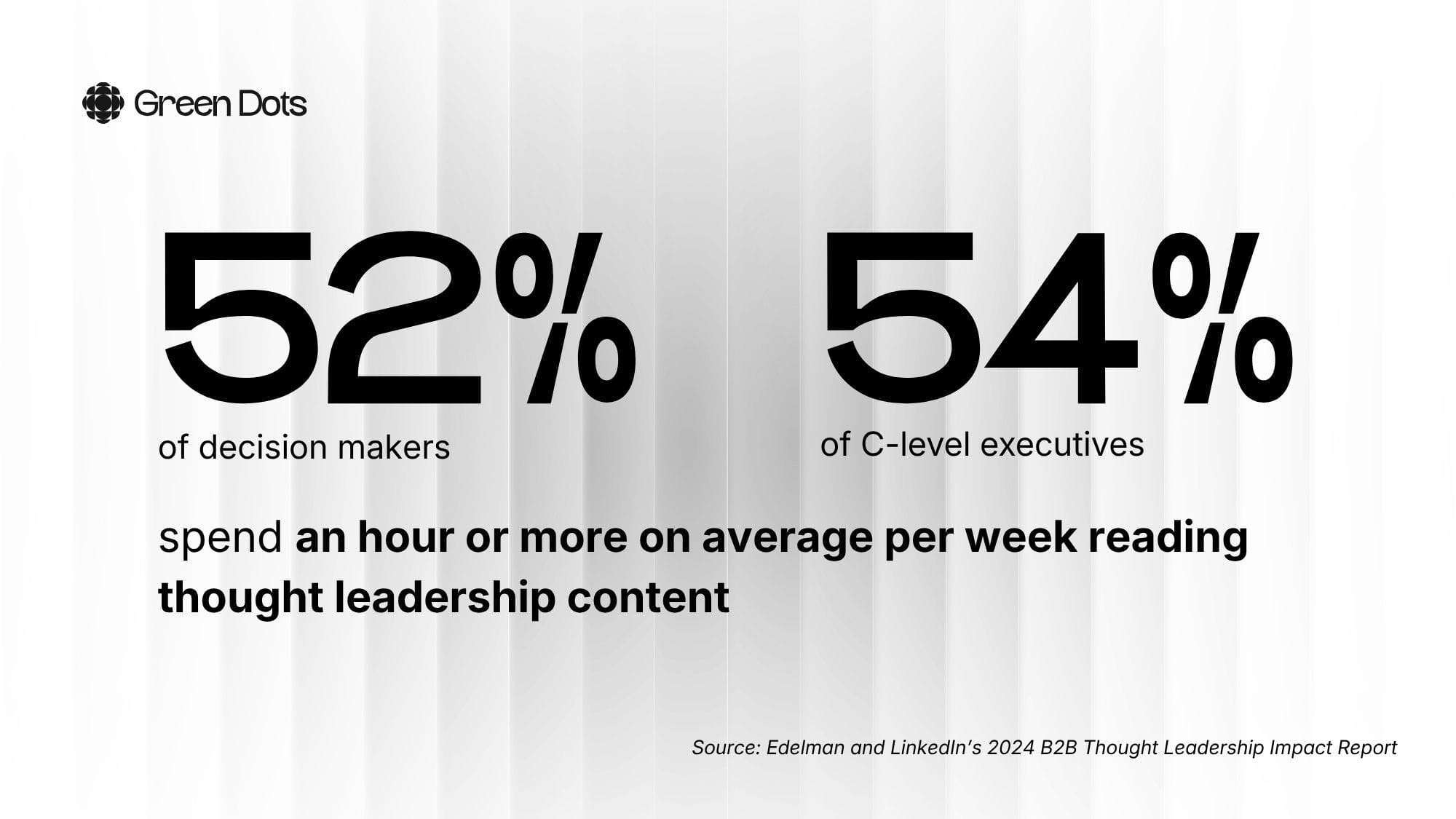
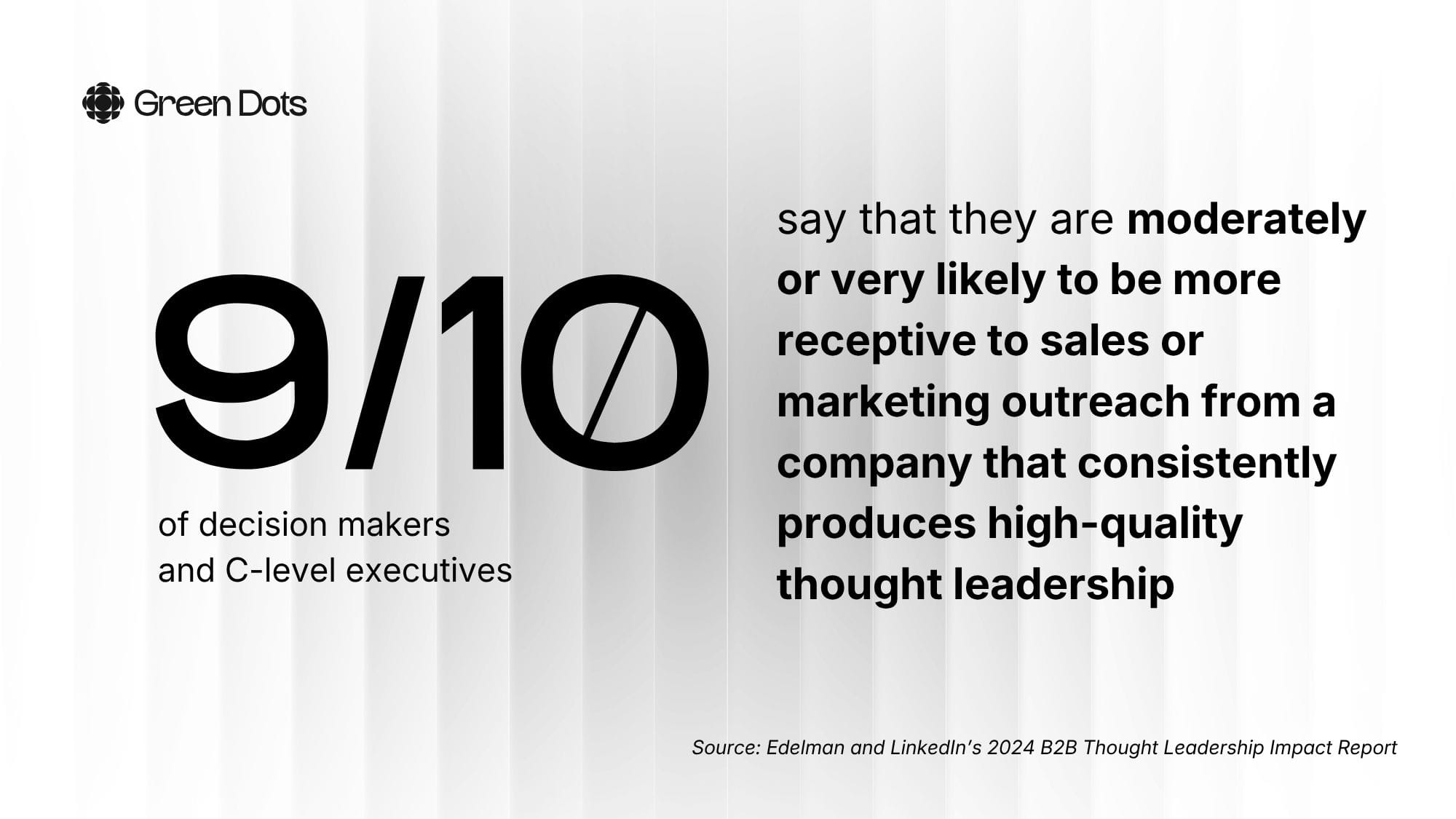
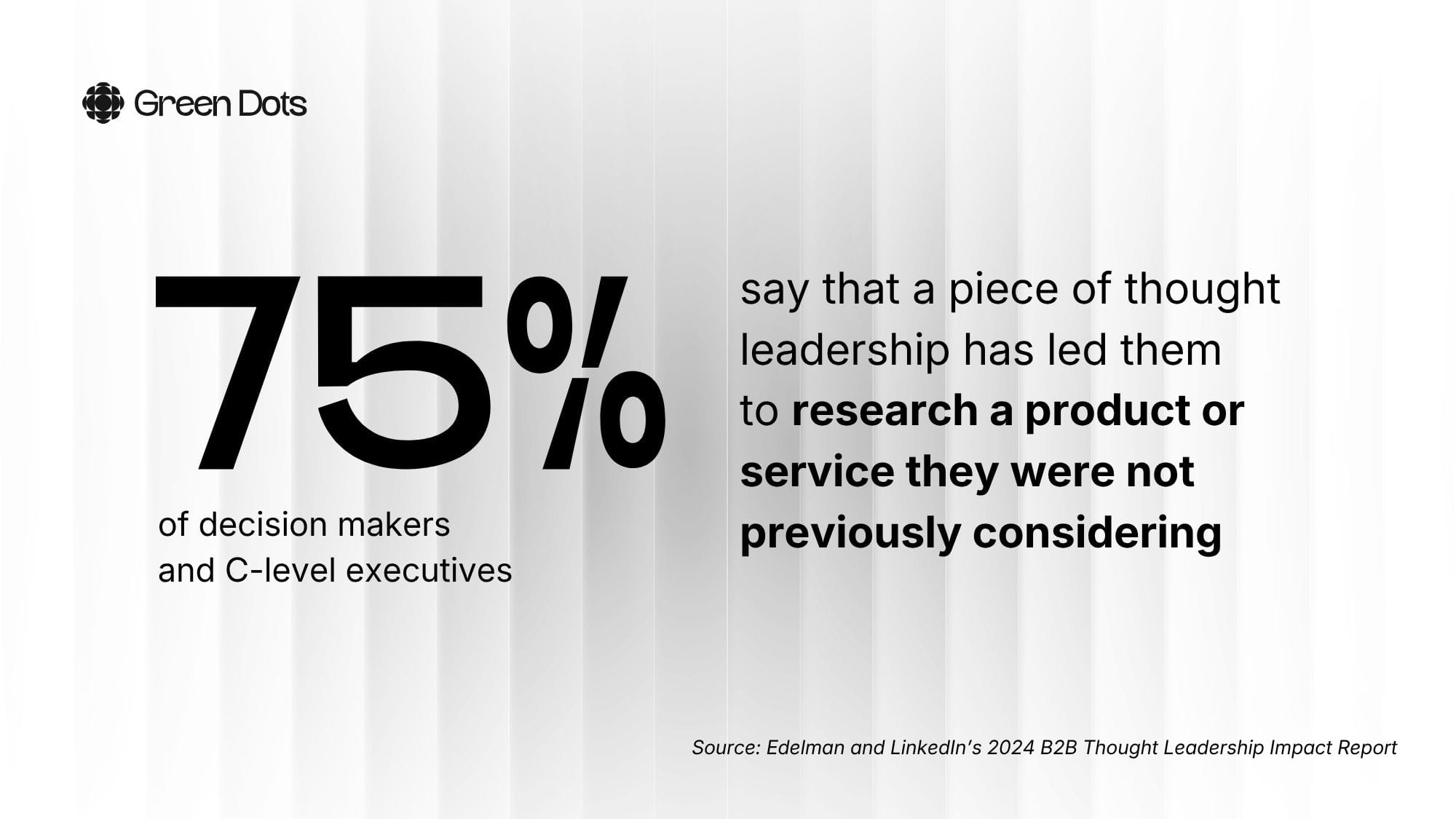
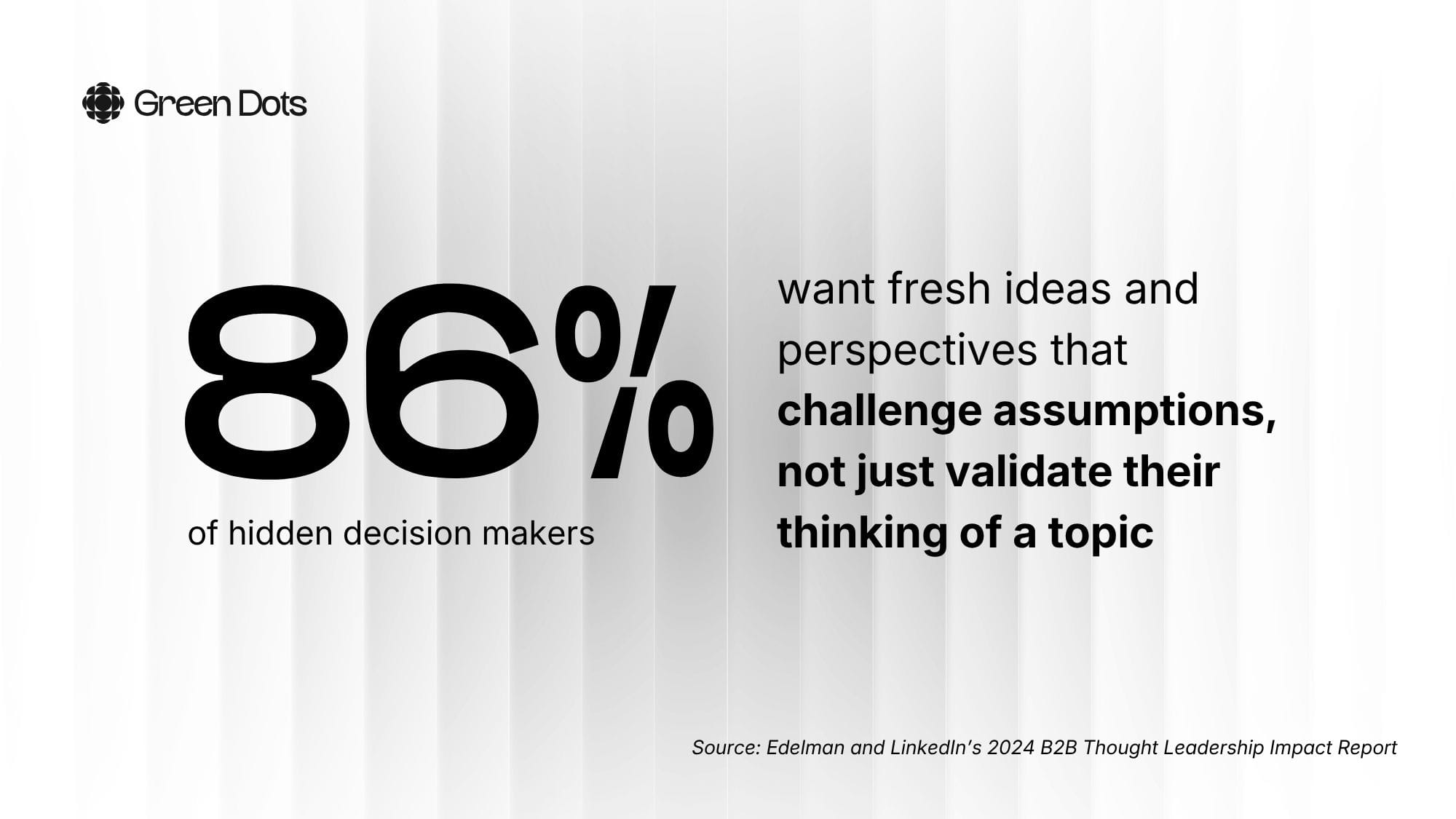
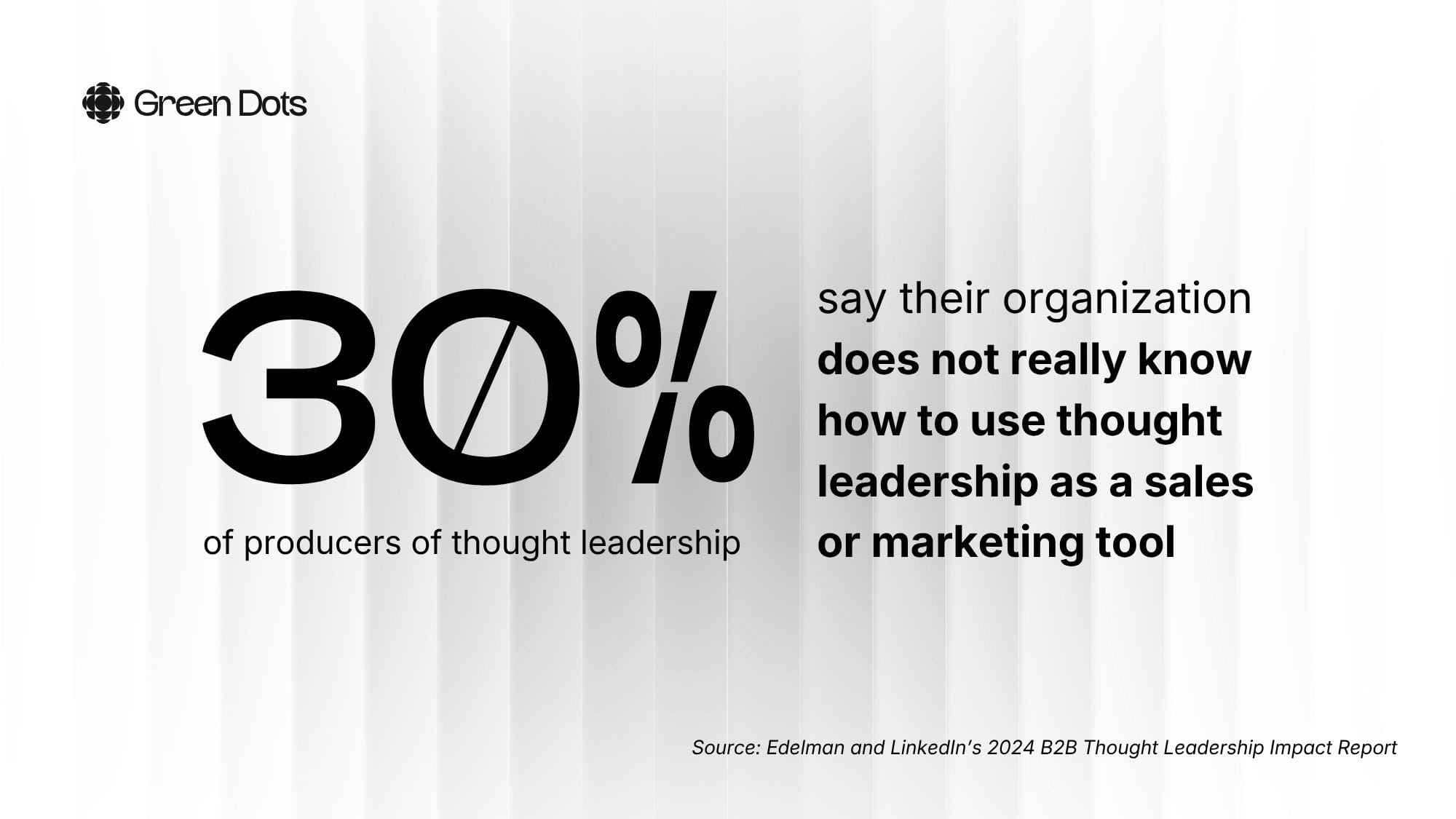
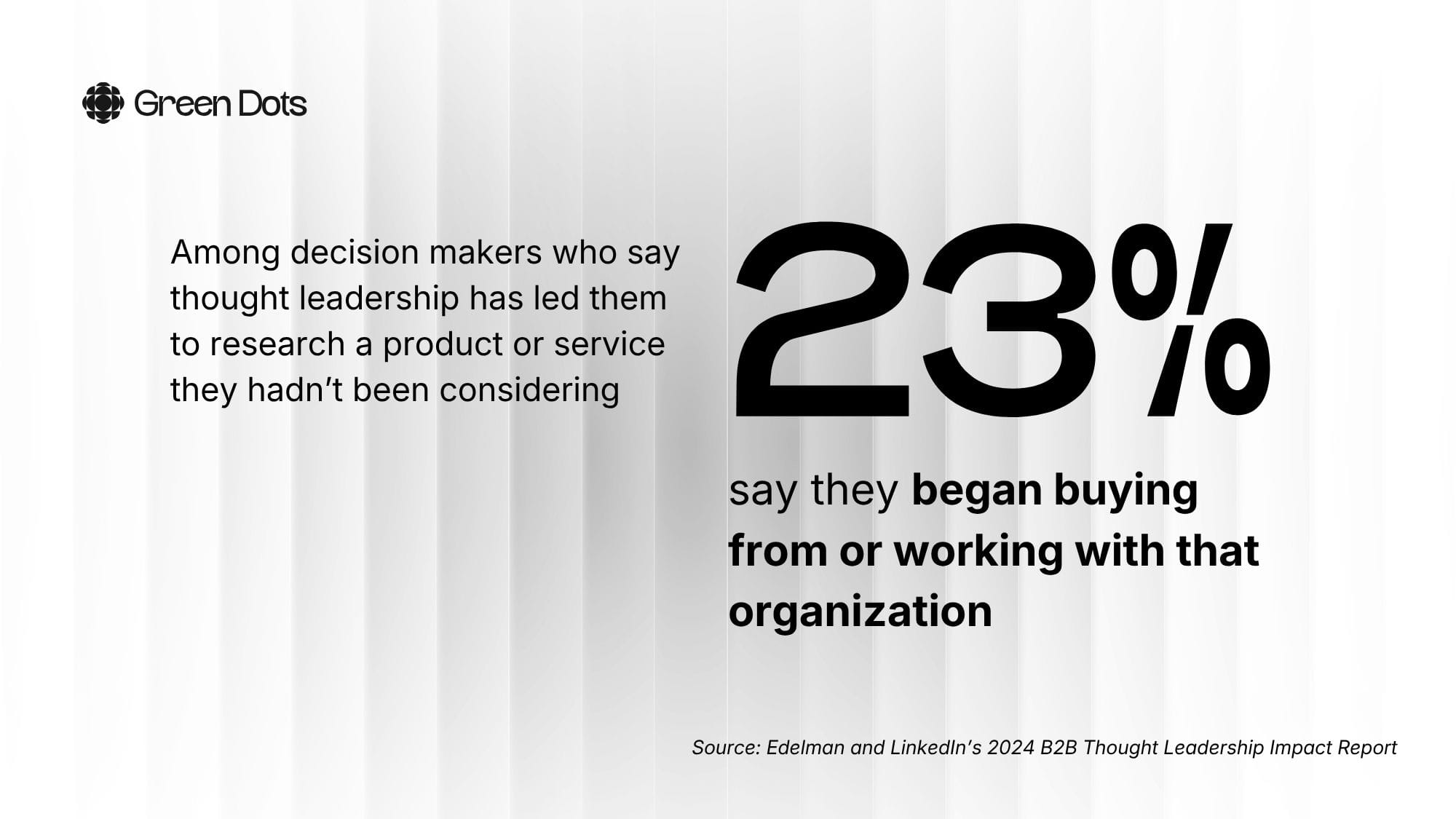
Edelman and LinkedIn’s 2024 B2B Thought Leadership Impact Report surveyed 3,484 business leaders across multiple countries and found that strong thought leadership can influence whether buyers seek out an organization and pay more for its expertise.
That matters because founder content is often the most direct form of thought leadership a startup can produce.
Not polished brand updates. Not “we are excited to announce.” Not broad market commentary from a corporate account.
Clear thinking from the person building the company.
The distinction matters. Founder persona is not about being visible for the sake of visibility. It is about turning the founder’s real expertise into a market asset.
In our work with Web3 teams, this usually becomes obvious before launch. The teams with a clear founder voice often have an easier time explaining what they are building, why it matters, and why the market should care before the campaign starts.
Founder content is pre-sales infrastructure
A good founder account does not only create awareness.
It can shape how buyers, partners, investors, creators, and internal champions talk about the company before the first call.
Edelman and LinkedIn’s 2025 report focuses on “hidden buyers”: people inside organizations who influence deals but may never speak directly to the sales team. The report says more than 40% of B2B deals stall because of internal misalignment inside buying groups.
This is where founder content becomes useful.
In B2B, Web3, infra, fintech, AI, and SaaS, the person who sees your content is often not the only decision-maker. They forward it. They repeat your framing. They use your language internally. They bring your thesis into rooms you are not in.
That is why founder persona should not be treated as “content.” It is pre-sales infrastructure.
It makes the company easier to understand before the first conversation. It gives internal champions language to explain the product. It helps different stakeholders hear the same story from the same source.
Why founder accounts can be more credible than brand accounts
Brand accounts are limited.
They can announce. They can educate. They can distribute assets. They can maintain consistency.
But they struggle to do what founder accounts often do better:
- take a clear position;
- explain trade-offs;
- show taste;
- compare product choices;
- respond to market tension;
- attract the right audience and repel the wrong one.
That last point is underrated. A strong founder persona is not meant to be liked by everyone. It should make the company easier to recognize, easier to understand, and easier to trust for the people who matter.
Web3 makes this even more visible.
Most teams have a roadmap. Most teams talk about community. Most teams claim ecosystem growth. Many infrastructure products use similar language. But far fewer founders consistently explain what they are building, what they are learning, what they believe, and how they see the category.
That gap is the opportunity.
In high-noise markets, the founder can become a primary signal source. The brand can say what the company does. The founder can explain why it matters.
Founder persona also affects hiring, partnerships, and ecosystem trust
Founder visibility does not only support sales.
It can also affect hiring, partnerships, and ecosystem positioning.
Brunswick’s Connected Leadership research found that employees and financial readers expect business leaders to use digital and social media to communicate company direction, mission, values, and leadership perspective. A summary from the Institute for Public Relations notes that the research surveyed 2,800 financial publication readers and 3,600 employees across large companies.
This makes sense.
People do not join companies only because of compensation. They join because they believe in the mission, the leader, the market, and the direction.
A founder account gives them a window into that.
In Web3, where markets are relationship-driven and trust is fragile, this becomes even more important. If nobody understands the founder’s thinking, the company has to rely more heavily on announcements, campaigns, and paid distribution. If the founder has a clear public persona, the company has a more durable source of narrative.
That does not replace product quality, retention, or execution.
It makes those things easier for the market to notice and understand.
Build in public is not the same as oversharing
This is where many founders get the advice wrong.
They hear “build in public” and assume it means posting everything: daily updates, random thoughts, internal uncertainty, emotional swings, unfinished strategy.
That is not founder growth. That is noise.
I would describe building in public as a strategic choice with benefits and trade-offs. It can help founders build trust, attract early users, create feedback loops, and generate pre-launch distribution, but it can also create competitor exposure, pressure to perform, distraction, and noisy feedback.
This is why founder persona needs structure.
The advantage is not visibility. It is controlled visibility.
A founder should know:
- what the company wants to be known for;
- which topics are strategically useful;
- which opinions reinforce positioning;
- what should stay private;
- what can be shared now;
- what should wait;
- which audience the founder is trying to attract.
Good founder-led distribution is not random posting. It is narrative architecture.
What founder-led distribution looks like in practice
The clearest founder personas are not separate from the business.
Pieter Levels is a useful Web2 example. His public identity is strongly tied to how he builds: solo, fast, public, revenue-first, direct, and anti-corporate. The point is not that founders should copy him. Most should not.
The point is that his founder persona matches the products, the audience, and the business model.
People follow the builder, then discover the products. They trust the products faster because they understand the person behind them. His public voice attracts the right users, filters the wrong ones, and makes each launch easier because the market already understands the operating style.
In Web3, founder-led trust shows up differently.
Founders are often evaluated not only by product output, but by judgment, taste, ecosystem alignment, communication style, and ability to lead through volatility. A founder who consistently explains the market can become more than a person with an account. They become a signal the market uses to interpret the category.
That is the difference between a founder who posts and a founder who compounds trust.
What we see at Green Dots
I see the same pattern in our own work at Green Dots.
Green Dots works with Web3 teams on GTM strategy, creator-led distribution, founder growth, KOL marketing, campaign architecture, and launch planning. The broader view is that marketing does not work through one channel alone; it works when product clarity, audience, narrative, founder credibility, creator trust, timing, distribution, and feedback align.
Founder growth fits into that system.
In founder advisory work, the first blocker is rarely writing quality. It is usually positioning. The founder does not know what they want to be known for, which audience matters, or how their public voice should support the company’s market position.
Once that is clear, content becomes easier.
The founder does not need to chase trends. They can explain the market. They can clarify the product. They can show judgment. They can create primary signal that creators, investors, partners, and customers can interpret and amplify.
This is also what we have seen in our own distribution. Green Dots has built founder-led accounts as a discovery engine, with most inbound leads coming from founder-led distribution on CT.
That is the practical lesson.
A founder account can open the door. Expertise still has to close it.
The practical question for founders
Founder persona is not the only moat. Product still matters. Execution still matters. Retention still matters. Real value still matters.
But when two companies have similar products, similar funding, similar roadmaps, and similar claims, the company with the clearer founder voice often has an advantage.
The market understands it faster.
People know what the founder believes.
Creators have something real to amplify.
Partners can explain the company more clearly.
Buyers have language to bring into internal conversations.
Talent can see the direction before joining.
That is why founder growth deserves a real place in the 2026 marketing stack.
Not as a vanity project. Not as daily posting. Not as ghostwritten “insights.”
As a structured trust and distribution asset.
Final note
A founder persona should make the company easier to understand, easier to believe, and harder to confuse with everyone else.
That starts with a few questions:
What do we want the market to know before we sell?
What should the founder explain better than the brand account can?
What do we believe that the market has not fully priced in yet?
Which audience should trust us before they need us?
For many teams, that is where founder growth becomes a real marketing investment.
Subscribe to get new field notes when they go live.
Author note
Written by Stacy Muur, founder of Green Dots. I use Green Dots Research to document what we see across GTM strategy, creator-led distribution, founder growth, and Web3 marketing.